
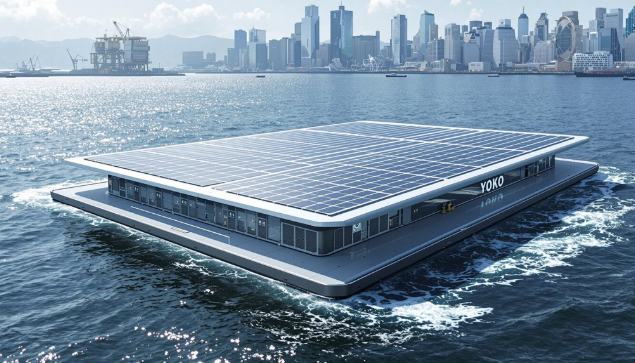
Japan is re-imagining the future of digital infrastructure by taking artificial intelligence to the water. At the Port of Yokohama, government and industry partners have unveiled plans for floating AI data centres designed to meet soaring computing demand while cutting carbon footprints. The proposal centres on an offshore, barge-based facility that would host containerised data halls powered by renewable energy, using seawater cooling to dramatically reduce electricity and freshwater consumption. With land scarce and energy-hungry AI workloads growing fast, the waterfront is being positioned as a new frontier for climate-aligned tech growth.
The pilot project, led by a consortium including Nippon Yusen Kabushiki Kaisha and NTT Facilities in collaboration with the City of Yokohama, is expected to begin demonstration operations later this decade. A separate on-shore initiative near the port, backed by major energy utilities, is exploring low-carbon data centres integrated with existing power infrastructure as part of Yokohama’s goal to become a carbon-neutral port by 2050. Together, the projects signal how Japan is trying to square two urgent realities: the explosive rise of AI and the equally urgent need to decarbonise the systems that power it. More