greenhumans

Eco-Friendly Adventures Are Transforming the Way Visitors Experience Norway’s Fjords

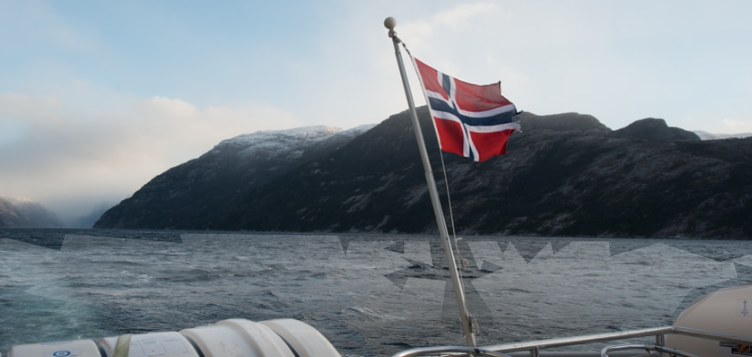
Norway is encouraging travellers to explore its iconic fjords through sustainable tourism practices that protect fragile ecosystems while supporting local communities. Visitors are increasingly choosing low-emission electric ferries, battery-powered sightseeing boats, scenic rail journeys, cycling routes, hiking trails, and kayaking excursions instead of high-impact transport options. Several fjord destinations, including the UNESCO-listed Geirangerfjord and Nærøyfjord, […]

Eco-Friendly Adventures Are Transforming the Way Visitors Experience Norway’s Fjords Read More »
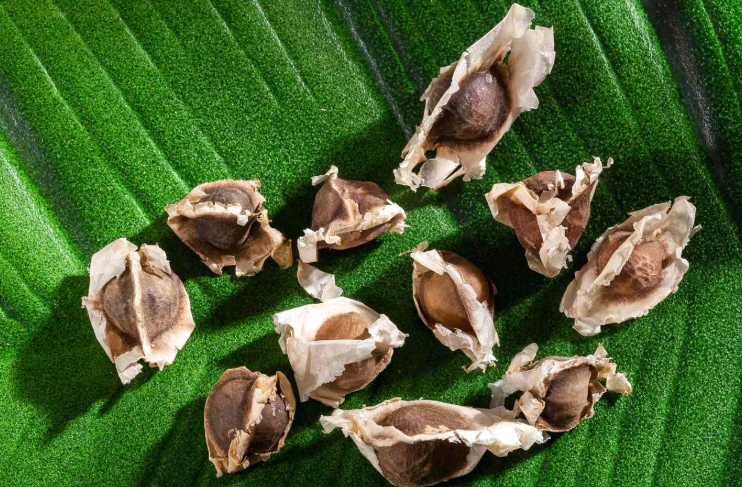
Moringa Seeds Show Promise as Natural Solution for Removing Microplastics from Water

Researchers have found that proteins extracted from moringa (Moringa oleifera) seeds can remove microplastics from water with an efficiency comparable to conventional chemical coagulants, offering a more sustainable approach to water treatment. The natural compounds cause tiny plastic particles to clump together, making them easier to separate during the filtration process. Unlike commonly used synthetic

Moringa Seeds Show Promise as Natural Solution for Removing Microplastics from Water Read More »

Philippine Study Uses Wild Honey to Support Conservation of the Endangered Narra Tree

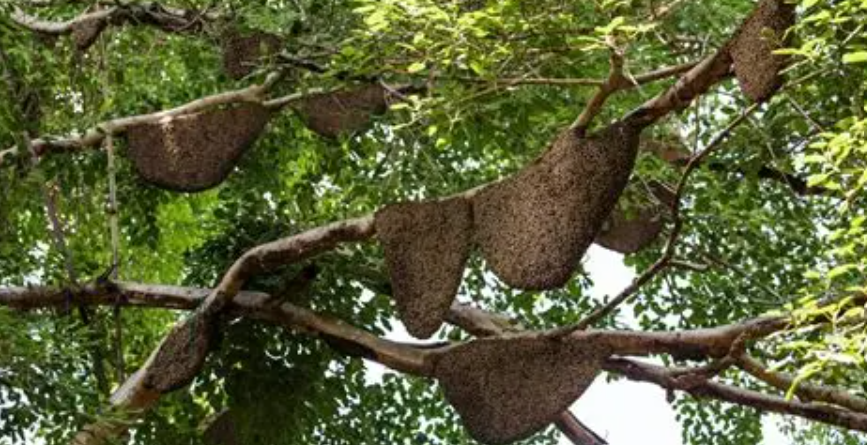
Researchers in the Philippines have discovered that wild honey contains a unique chemical signature linked to the endangered narra tree (Pterocarpus indicus), opening new possibilities for forest conservation and sustainable beekeeping. By analysing the chemical composition of honey collected from forest ecosystems, scientists identified biomarkers associated with nectar from narra blossoms, allowing them to trace

Philippine Study Uses Wild Honey to Support Conservation of the Endangered Narra Tree Read More »

Winery Waste Could Help Reduce Antibiotic Use in Poultry Farming

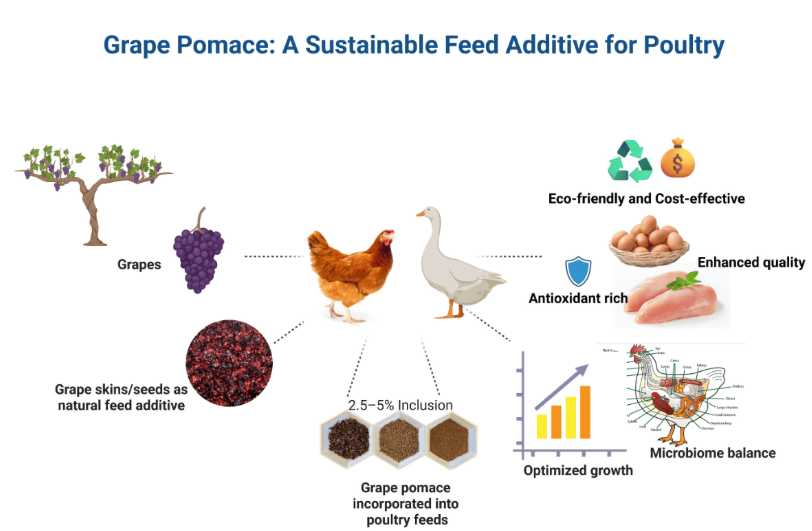
Researchers are exploring the use of grape pomace—the skins, seeds, and stems left over after wine production—as a natural feed additive for poultry, offering a sustainable alternative to routine antibiotic use. Rich in polyphenols, flavonoids, dietary fibre, and antioxidants, grape pomace has been shown in several studies to improve gut health, strengthen immune function, and

Winery Waste Could Help Reduce Antibiotic Use in Poultry Farming Read More »

Scientists Discover New Species at Record Pace, Revealing Earth’s Hidden Biodiversity

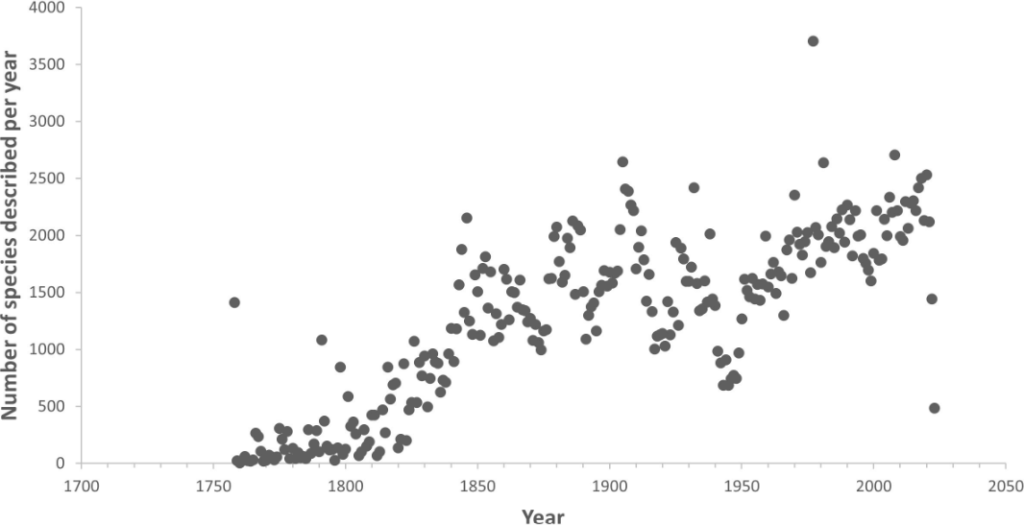
Scientists are identifying new plant, animal, fungi, and microorganism species at a faster rate than previously anticipated, driven by advances in DNA sequencing, artificial intelligence, satellite mapping, and exploration of remote ecosystems. Every year, researchers formally describe around 18,000 to 20,000 new species, with many discoveries coming from biodiversity hotspots such as tropical rainforests, deep

Scientists Discover New Species at Record Pace, Revealing Earth’s Hidden Biodiversity Read More »

The Hidden Climate Cost in Your Cup: How Everyday Drinks Shape Carbon Footprints

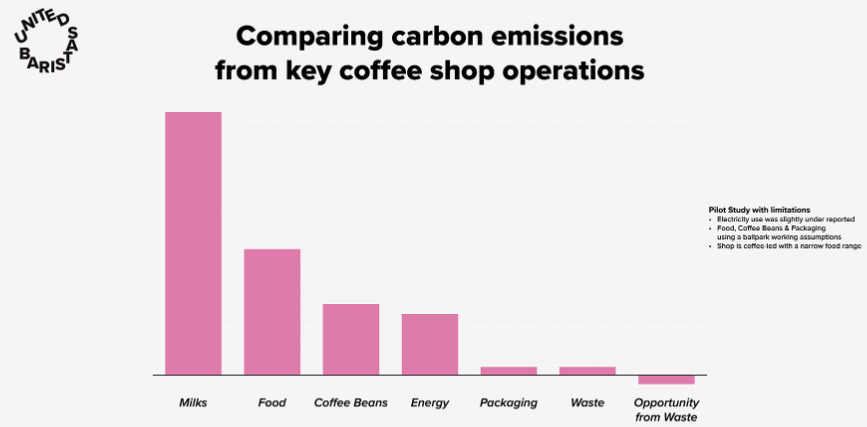
The beverages people consume every day can have a surprisingly large environmental impact, with studies showing that the production of certain drinks generates significant greenhouse gas emissions through agriculture, processing, packaging, and transportation. Dairy-based beverages, for example, often carry a higher carbon footprint due to methane emissions from livestock and the resources required to produce

The Hidden Climate Cost in Your Cup: How Everyday Drinks Shape Carbon Footprints Read More »

Global Action Intensifies to Protect Migratory Species Amid Alarming Population Declines

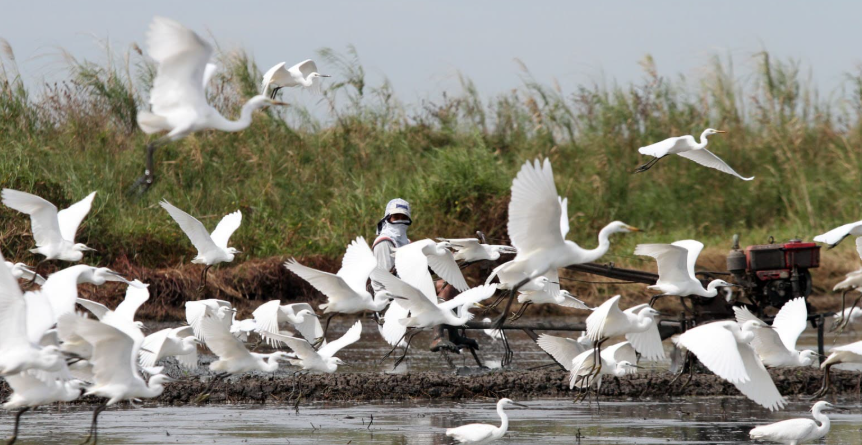
Countries are strengthening conservation efforts for migratory wildlife as new scientific assessments reveal that nearly half of the world’s protected migratory species are experiencing population declines despite existing international safeguards. Species including birds, marine turtles, whales, sharks, rays, and land mammals face mounting threats from habitat loss, climate change, pollution, overexploitation, and barriers such as

Global Action Intensifies to Protect Migratory Species Amid Alarming Population Declines Read More »

Oregon Approves Landmark Investment to Strengthen Wildlife Conservation

Oregon has enacted a new law that significantly increases long-term funding for wildlife conservation, providing a major boost to efforts to protect the state’s native species and restore critical habitats. The legislation allocates additional resources for conserving fish, birds, mammals, amphibians, and pollinators, while supporting habitat restoration projects in forests, wetlands, rivers, and grasslands. The

Oregon Approves Landmark Investment to Strengthen Wildlife Conservation Read More »

UNESCO Recognises 12 New Global Geoparks, Expanding Protection of Earth’s Geological Treasures

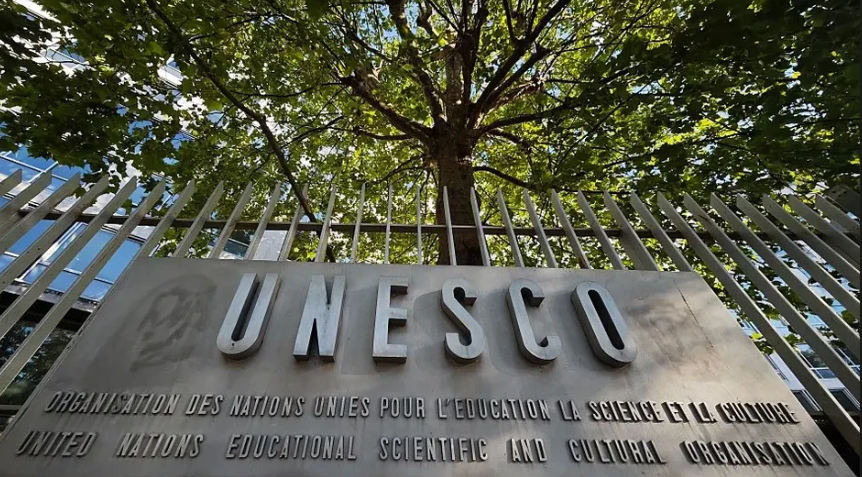
The UNESCO Global Geoparks Network has expanded with the addition of 12 new Global Geoparks across 10 countries, strengthening international efforts to conserve sites of outstanding geological significance while promoting sustainable development. The newly designated geoparks feature remarkable landscapes shaped by volcanic activity, mountain formation, ancient fossils, caves, canyons, and unique rock formations that reveal

UNESCO Recognises 12 New Global Geoparks, Expanding Protection of Earth’s Geological Treasures Read More »

Maryland Streamlines Rooftop Solar Approvals to Accelerate Clean Energy Adoption

Maryland has introduced measures to simplify and speed up the permitting process for residential rooftop solar installations, reducing administrative delays that have often slowed the adoption of clean energy systems. By standardising permit requirements, expanding the use of online application systems, and encouraging faster reviews by local authorities, the state aims to make it easier

Maryland Streamlines Rooftop Solar Approvals to Accelerate Clean Energy Adoption Read More »