
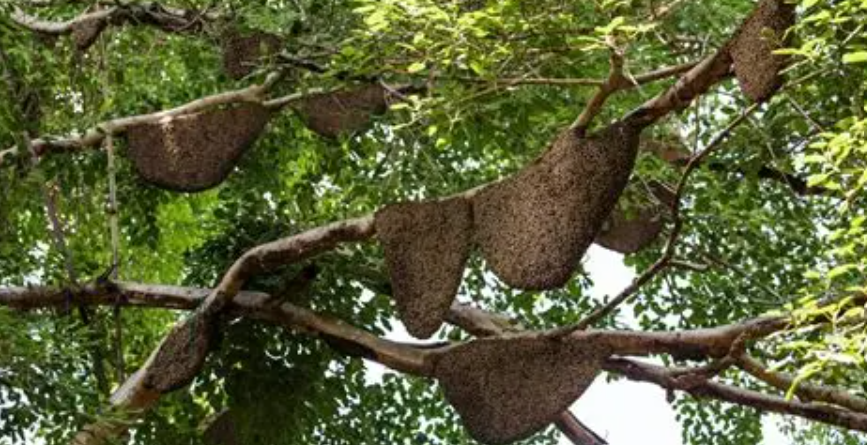
Researchers in the Philippines have discovered that wild honey contains a unique chemical signature linked to the endangered narra tree (Pterocarpus indicus), opening new possibilities for forest conservation and sustainable beekeeping. By analysing the chemical composition of honey collected from forest ecosystems, scientists identified biomarkers associated with nectar from narra blossoms, allowing them to trace the botanical origin of the honey. The breakthrough offers a non-invasive way to monitor the presence and health of narra populations while highlighting the important role of bees in pollinating one of the country’s most iconic native hardwood species.
The findings could strengthen conservation efforts by encouraging communities to protect forests that support both wild bee populations and endangered trees. Narra, the national tree of the Philippines, has experienced significant declines due to illegal logging, habitat loss, and land-use change, making habitat restoration increasingly important. Researchers say chemically verified forest honey could also create premium market opportunities for local beekeepers, providing economic incentives to conserve native forests rather than convert them to other land uses. The study demonstrates how scientific innovation can link biodiversity conservation, sustainable livelihoods, and ecosystem restoration through the responsible use of natural resources. More