
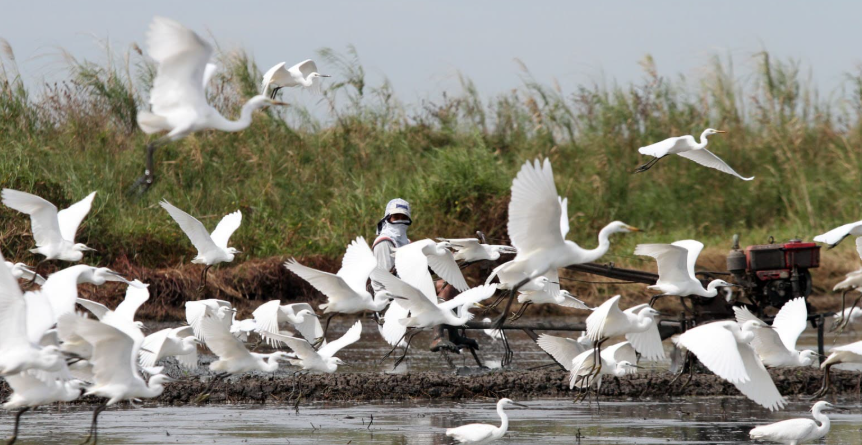
Countries are strengthening conservation efforts for migratory wildlife as new scientific assessments reveal that nearly half of the world’s protected migratory species are experiencing population declines despite existing international safeguards. Species including birds, marine turtles, whales, sharks, rays, and land mammals face mounting threats from habitat loss, climate change, pollution, overexploitation, and barriers such as roads, dams, and fences that disrupt their migration routes. Conservation initiatives are increasingly focused on protecting critical breeding, feeding, and stopover habitats while improving cross-border cooperation, recognising that migratory animals depend on connected ecosystems spanning multiple countries.
The renewed conservation push aligns with international commitments under the Convention on the Conservation of Migratory Species of Wild Animals (CMS), which encourages nations to coordinate efforts to safeguard species that regularly cross national boundaries. Experts stress that conserving migratory species not only protects biodiversity but also strengthens ecosystem health, as these animals play vital roles in pollination, seed dispersal, pest control, and maintaining balanced food webs. Expanding habitat protection, restoring ecological corridors, reducing bycatch, and improving monitoring are seen as essential measures to reverse population declines and build resilience against accelerating environmental change. More