
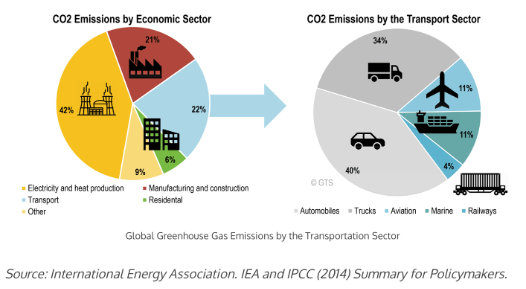
The global container shipping industry is adopting a range of sustainable practices to reduce its carbon footprint as it works towards international climate goals. Key measures include switching to lower-carbon fuels such as green methanol, biofuels and liquefied natural gas (LNG), improving vessel energy efficiency through advanced hull designs and wind-assisted propulsion, using shore power at ports to reduce emissions from idling ships, optimising routes with artificial intelligence, slowing sailing speeds to save fuel, and electrifying cargo-handling equipment. Together, these innovations help lower fuel consumption, reduce greenhouse gas emissions, and improve operational efficiency across global supply chains.
These green practices are gaining momentum as regulators and shipping companies respond to stricter environmental standards, including the International Maritime Organization’s targets to achieve net-zero greenhouse gas emissions from international shipping by around 2050. Experts say combining cleaner fuels with digital technologies, energy-efficient infrastructure, and better logistics can significantly reduce emissions from one of the world’s busiest transport sectors. As global trade continues to grow, the transition to low-carbon container transport is expected to play a critical role in supporting climate action while ensuring resilient and sustainable international commerce. More