
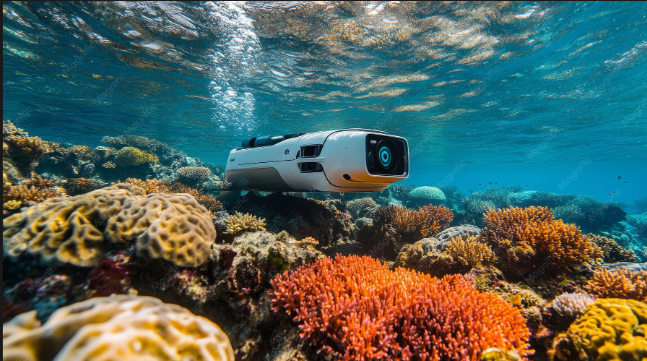
A new generation of underwater autonomous robots is being deployed across coral ecosystems to help scientists monitor, protect, and even restore reefs threatened by climate change. These robotic systems—equipped with cameras, artificial intelligence, sensors, and robotic arms—can swim through fragile reef environments for hours while collecting detailed data on coral bleaching, water temperature, disease outbreaks, and biodiversity. In places like Australia’s Great Barrier Reef, researchers are testing AI-powered robots capable of identifying invasive species such as crown-of-thorns starfish, which destroy coral by feeding on it. Some robotic platforms can even inject the starfish with lethal solutions, helping reduce outbreaks that have devastated huge reef sections over recent decades. Scientists say autonomous systems are becoming essential because reefs are changing faster than human divers alone can track.
Beyond monitoring damage, researchers are now experimenting with robots that actively assist reef restoration. Certain underwater drones can distribute baby corals onto damaged reef structures, map the healthiest coral populations for future breeding, and create high-resolution 3D models that allow scientists to study reef recovery over time. Coral reefs support nearly 25% of all marine species despite covering less than 1% of the ocean floor, while also protecting coastlines and supporting fisheries and tourism worth billions of dollars globally. Yet marine heatwaves driven by rising ocean temperatures continue to trigger mass bleaching events across tropical seas. Scientists caution that robots cannot replace the need to cut greenhouse gas emissions, but they may provide a critical technological lifeline—helping conservationists respond faster and protect reef ecosystems before entire underwater habitats disappear. More