
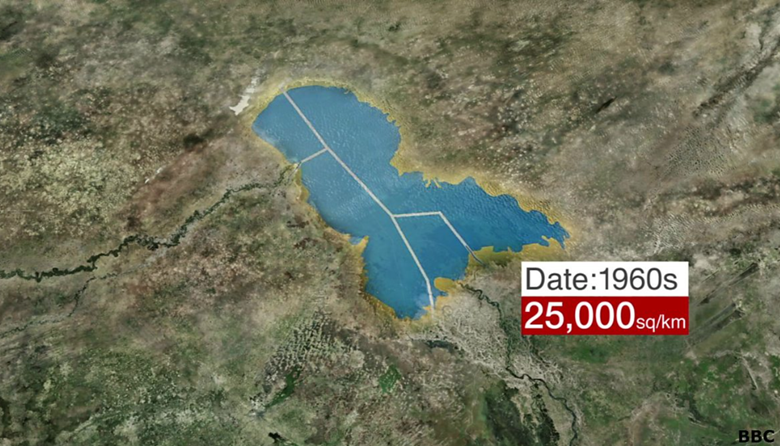
Recent scientific studies have shown that Lake Chad’s water levels, contrary to popular belief, are not shrinking as drastically as previously reported. While the lake’s size has fluctuated over the years, it has reached a period of relative stability. However, this doesn’t mean the region is out of danger. Experts argue that climate change, combined with human activity, continues to pose serious threats to the lake’s ecosystem and the millions of people who rely on its resources. Factors such as over-extraction of water for irrigation, land degradation, and population growth have intensified pressures on the lake’s fragile environment.
The real issue lies in the region’s vulnerability to extreme weather patterns, including irregular rainfall and prolonged droughts, which are becoming more frequent due to climate change. These changes have led to increased desertification, reducing agricultural productivity and threatening the livelihoods of farmers, herders, and fishermen. Furthermore, the decline in biodiversity and shrinking natural resources are contributing to rising tensions among neighboring communities. Experts warn that without urgent intervention and adaptive strategies, the situation could escalate into a broader humanitarian and security crisis. Immediate action is needed to manage water resources sustainably and protect the livelihoods of those dependent on Lake Chad. More