
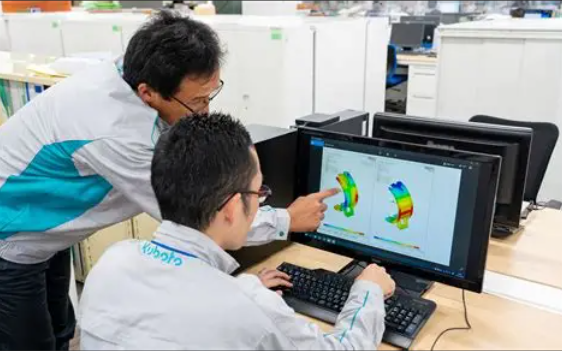
Japan has brought online Asia’s first osmotic power plant, marking a significant step in diversifying its renewable energy portfolio with a constant, weather-independent source. Located in Fukuoka, the facility generates electricity using pressure retarded osmosis (PRO)—a process where freshwater and seawater are separated by a semi-permeable membrane. As freshwater naturally moves toward the saltier side, it builds pressure that drives a turbine to produce power. Because river water flowing into the ocean is continuous, the system can operate 24/7, offering a rare form of baseload renewable energy that complements intermittent sources like solar and wind.
The pilot-scale plant produces roughly 880,000 kilowatt-hours annually, enough to power around 200–250 households, and is strategically integrated with existing water infrastructure, including desalination and wastewater treatment systems to improve overall efficiency. One of the biggest technical hurdles—membrane durability and cost—is being addressed through advanced materials designed to reduce fouling and energy loss. While osmotic power is still in its early commercial phase, Japan’s project positions it alongside pioneers like Norway, where the first prototype plants were tested. If scaled successfully, this technology could unlock a vast, untapped energy resource at river-sea junctions worldwide, contributing to long-term decarbonization goals. More