
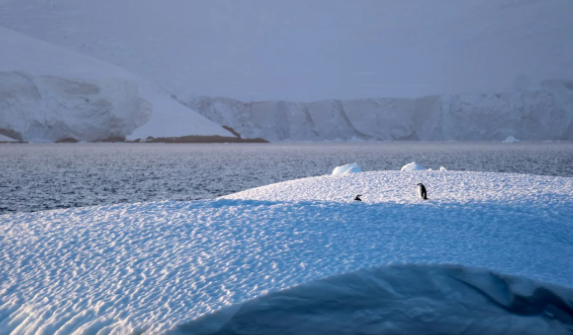
Arctic sea ice has reached its lowest winter maximum ever recorded, highlighting the accelerating impact of global warming. Scientists tracking the region, including those from NASA and National Snow and Ice Data Center, report that the seasonal peak—typically reached in March—has shrunk to levels never seen in over four decades of satellite data. This year’s maximum extent was millions of square kilometers below the long-term average, driven by unusually high air and ocean temperatures across the Arctic. The loss of reflective ice is also intensifying warming through the albedo effect, where darker ocean surfaces absorb more heat instead of reflecting sunlight.
At the same time, extreme temperatures have been recorded across multiple continents, reinforcing the global scale of the crisis. Parts of the Arctic experienced winter temperatures up to 10–20°C above normal, while regions in Europe, Asia, and North America also saw record-breaking heat events. Scientists warn that shrinking sea ice disrupts weather patterns far beyond the poles, potentially leading to harsher storms, heatwaves, and shifting rainfall globally. The trend underscores how rapidly the Earth’s climate system is changing, with the Arctic acting as an early warning signal for the rest of the planet. More