
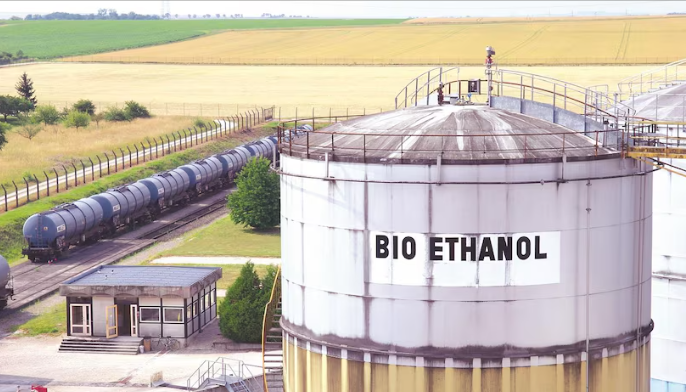
India has made it clear that it is not committed to importing ethanol from the United States under a trade agreement, pushing back against reports that New Delhi has agreed to open its market to large-scale U.S. fuel-ethanol imports. The issue is important because ethanol has become a major part of India’s energy strategy. India achieved its target of 20% ethanol blending in petrol in 2025, five years earlier than the original 2030 deadline. Ethanol is largely produced domestically from crops such as sugarcane, maize and other agricultural feedstocks, creating an additional market for farmers while helping India reduce its dependence on imported crude oil. For New Delhi, therefore, ethanol is not simply another commodity in a trade negotiation—it is increasingly connected to energy security, farmers’ incomes and the country’s transition towards cleaner transport fuels.
The disagreement also shows how complicated the India-U.S. trade relationship can become when agriculture, energy and national interests overlap. India has invested heavily in expanding its domestic ethanol industry and has been cautious about giving tariff concessions on sensitive agricultural products. Opening the market to cheaper imported ethanol could create competition for Indian producers, while also making part of the country’s fuel-blending programme dependent on international supplies. At the same time, the United States is one of the world’s largest ethanol producers and has a strong interest in expanding access to overseas markets. India’s position sends a broader message: trade agreements may create new opportunities, but they cannot automatically override domestic priorities. For India, the ethanol story is ultimately about reducing oil dependence while ensuring that the benefits of the green transition reach its own farmers and producers. More