
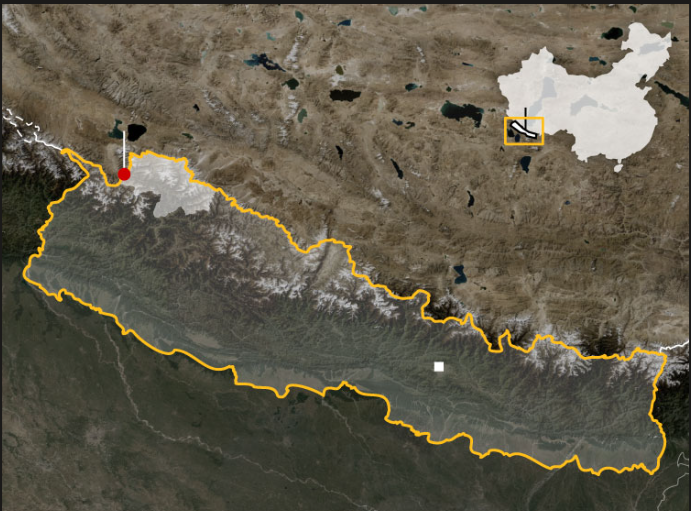
A catastrophic glacier collapse along the Nepal–China border on August 26 triggered a powerful surge of ice, rock, mud and water through Himalayan River valleys, devastating communities and infrastructure. By August 30, the combined death toll in Nepal and Tibet had reached 750, with 3,044 people still missing, while the Red Cross estimated that more than 90,000 people may have been affected. In Nepal alone, 734 people had died, nearly 2,500 remained missing and more than 7,500 had been rescued. The disaster also destroyed roads, bridges, homes and hydropower infrastructure, with hundreds of people believed to be trapped inside hydropower tunnels. The speed of the event made evacuation extremely difficult: Chinese scientists estimated that the mudslide reached the Gyirong border crossing within just six to seven minutes.
The disaster is more than a humanitarian tragedy—it is a stark reminder of the growing environmental risks facing the Himalayan cryosphere. Scientists say rising temperatures are changing the stability of glaciers, snow and frozen ground at high elevations. While climate change cannot be identified as the sole cause of this individual collapse, scientists warn that global warming can make high-altitude environments increasingly unstable, raising the risk of glacier-related floods, landslides and other cascading hazards. The collapse also created temporary water pools and new blockages downstream, creating the possibility of further flooding. The event therefore highlights the urgent need for real-time glacier monitoring, cross-border hydrological data sharing, early-warning systems, climate-resilient infrastructure and stronger disaster preparedness. The Himalayas supply water to hundreds of millions of people, making the stability of these mountain ecosystems an environmental concern far beyond Nepal and Tibet. More