
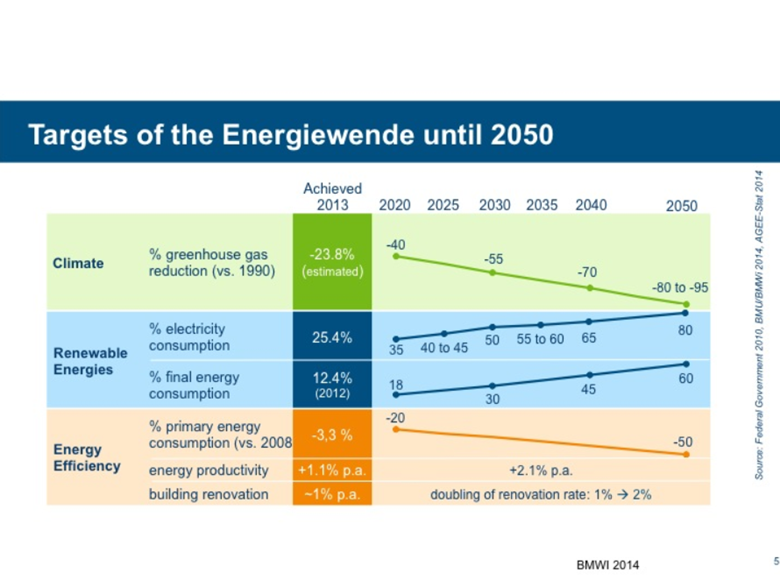
Germany’s energy shift, known as the Energiewende, is facing some tough challenges this year. In the first few months of 2025, the country’s clean energy output dropped to its lowest level in years, falling under 80 terawatt-hours (TWh). A major factor was the sharp 31% decline in wind energy, which dropped to 39 TWh and reduced wind power’s share of the energy mix from 34% to 24%. As a result, Germany turned to fossil fuels more, with coal generation increasing by 16% to the highest level seen since 2023, contributing to higher carbon emissions. Although natural gas production decreased, recent drops in gas prices might cause a rebound in its use.
The solar industry is also struggling, with demand for residential solar panels dropping significantly. This slowdown has led to bankruptcies and layoffs in the sector. Overproduction of panels has lowered prices, but investor confidence has taken a hit, causing concern for the future of the industry. While solar energy grew quickly after the Ukraine crisis, the momentum slowed down in 2024, partly due to higher interest rates and cheaper imports from China. Smaller companies, like Zolar and Eigensonne, are facing difficulties, but bigger firms like Enpal and 1Komma5 are still growing by diversifying their services. These setbacks highlight the challenges Germany is facing in reaching its renewable energy goals. More