
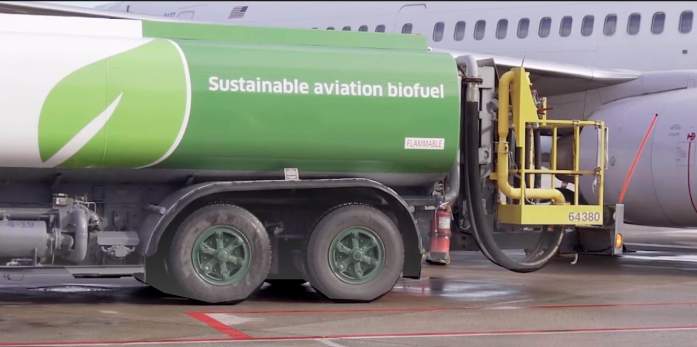
Japan is accelerating efforts to transform used cooking oil into sustainable aviation fuel (SAF) as the country seeks to reduce emissions from air travel and strengthen its domestic supply of cleaner fuels. Airlines, fuel producers, local governments, and restaurant chains are expanding collection networks to recover waste cooking oil from households and businesses that would otherwise be discarded. SAF produced from used vegetable oils can reduce lifecycle greenhouse gas emissions by up to 80% compared with conventional jet fuel, making it one of the most promising tools for decarbonizing aviation, a sector that remains difficult to electrify.
The push comes as global demand for sustainable aviation fuel is expected to rise sharply over the next decade. Japan has set a goal for SAF to account for around 10% of jet fuel consumption by 2030, encouraging investment in new refining facilities and collection systems nationwide. However, competition for waste cooking oil is intensifying as countries around the world pursue similar strategies, creating concerns about future feedstock supplies. To address this challenge, Japanese companies are exploring additional sources, including algae, agricultural residues, and synthetic fuels, while building a circular economy in which everyday kitchen waste could help power the next generation of low-carbon air travel. More