
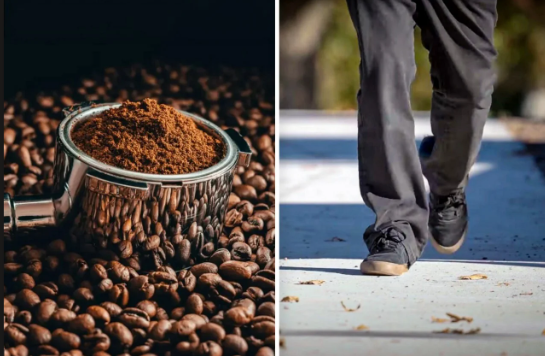
What if your morning coffee could help cool the planet? Engineers at RMIT University in Melbourne, Australia have developed a way to turn spent coffee grounds — a ubiquitous urban waste — into a climate‑friendly concrete ingredient. By heating used coffee grounds in a low‑oxygen process called pyrolysis, they produce biochar, a carbon‑rich material that can replace up to 15 % of the sand in standard concrete mixes. Early life‑cycle assessments show this innovation can reduce concrete’s carbon footprint by roughly 15–26 %, a meaningful cut in an industry responsible for around 8 % of global CO₂ emissions. Unlike conventional concrete, these coffee‑infused mixes also use less fossil energy and reduce demand for natural sand, which is increasingly scarce and ecologically damaging to extract.
The upside goes beyond emissions. Tests show concrete with coffee biochar can be up to 30 % stronger than traditional mixes, while also locking carbon into long‑lasting infrastructure. In Victoria, the technology has been used in a pilot footpath under the Big Build infrastructure program, and researchers are now partnering with governments and construction firms to scale use in larger projects. Australia alone generates an estimated 75,000 tonnes of ground coffee waste each year, much of which currently ends up in landfills producing methane — a potent greenhouse gas. Turning that waste into a construction resource not only diverts emissions but also creates jobs in recycling and low‑carbon materials, strengthens urban supply chains, and showcases how circular‑economy thinking can transform waste into climate solutions. For Green Humans, this is exactly the kind of innovation that proves sustainability doesn’t require sacrifice — it requires imagination. More