
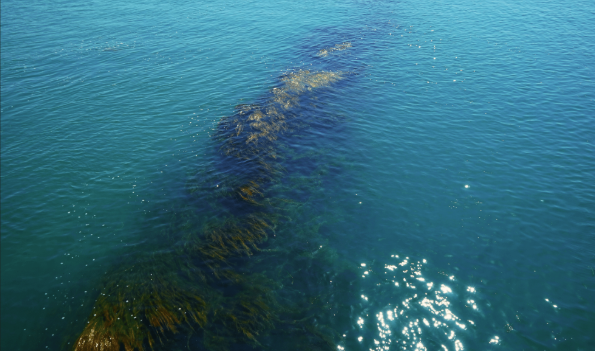
A continent‑length ribbon of brown seaweed, stretching over 8,800 km from West Africa to the Gulf of Mexico, has formed across the Atlantic — the largest Great Atlantic Sargassum Belt ever observed. Scientists estimate its mass at over 37 million tonnes in 2025, dwarfing previous records. Sargassum once existed in relatively balanced patches that supported fish nurseries and sea turtles. Now, fuelled by warmer ocean temperatures, increased nutrient runoff from rivers, dustborne fertilizers from the Sahara, and altered currents linked to climate change, it has ballooned into a floating forest of unprecedented scale. Satellites can see it from space, and marine researchers call its expansion a clear indicator of stress in ocean systems that sustain life from plankton to pelagic fish.
The consequences reach far beyond the open sea. When massive quantities of Sargassum wash ashore in the Caribbean, Gulf of Mexico, Florida coastlines, and West Africa, it decomposes and releases hydrogen sulfide and ammonia, which can cause respiratory irritation in people and stress on wildlife. Thick mats block sunlight needed by seagrass beds and coral reefs, undermining key habitats and the fisheries communities that depend on them. Tourism sectors already face costly clean‑ups, and local economies feel the strain. For Green Humans, this brown ribbon isn’t just seaweed — it’s a living signal that climate change, nutrient pollution, and ocean health are deeply connected, and that protecting marine ecosystems is essential for both biodiversity and the well‑being of coastal communities worldwide. More