
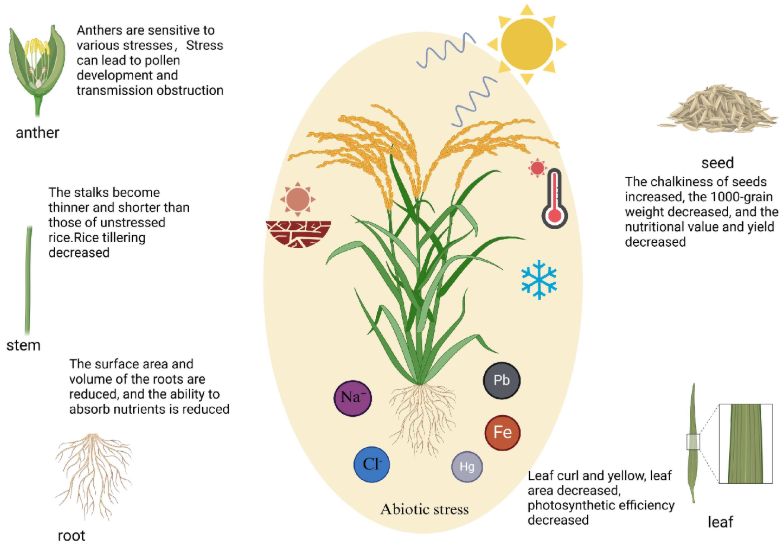
A series of new scientific breakthroughs is reshaping our understanding of how life and Earth respond to environmental change. Researchers have uncovered evidence that early rice cultivation began adapting to changing climates thousands of years ago, offering fresh insights into the origins of sustainable agriculture. In another study, scientists identified a key “death gene” that influences how cells respond to environmental stress, a discovery that could improve research into crop resilience and disease resistance. Meanwhile, geoscientists have developed new techniques to better understand the underground processes that precede earthquakes, bringing researchers closer to identifying subtle warning signals that may improve future hazard assessments.
Together, these discoveries demonstrate how advances in genetics, archaeology and Earth science are helping societies prepare for a changing world. Understanding how ancient crops adapted to shifting climates can support the development of more resilient food systems, while research into cellular stress responses may lead to hardier plants capable of withstanding drought and extreme temperatures. At the same time, improved earthquake monitoring technologies could strengthen disaster preparedness and reduce risks for vulnerable communities. The findings highlight the growing role of interdisciplinary science in building resilience against climate change, natural hazards and future environmental challenges. More