
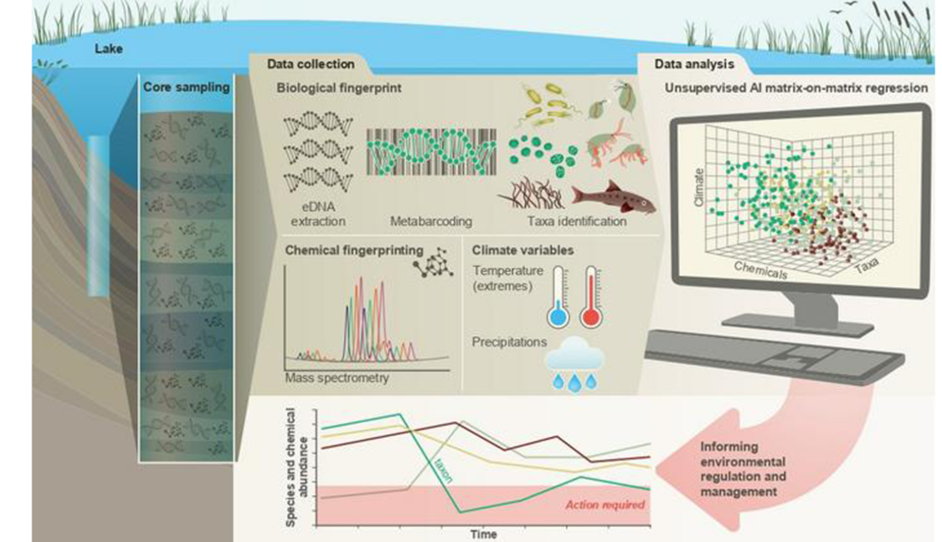
A new study using artificial intelligence (AI) has revealed that the global rush to mine critical minerals for clean energy technologies could pose significant risks to biodiversity if development is not carefully planned. Researchers combined AI models with satellite imagery, mining data and ecological information to identify areas where the extraction of minerals such as lithium, cobalt, nickel, copper and rare earth elements overlaps with biodiversity hotspots and habitats of threatened species. The findings show that many of the regions richest in these minerals are also among the world’s most ecologically valuable landscapes, raising concerns that poorly managed mining could undermine conservation efforts while supporting the transition to renewable energy.
The study emphasizes that achieving global climate goals should not come at the expense of nature. Scientists recommend integrating AI-driven environmental assessments into mining approvals, strengthening biodiversity safeguards, restoring ecosystems after extraction and expanding mineral recycling to reduce the need for new mines. Governments, mining companies and investors are also encouraged to adopt responsible sourcing standards and improve transparency throughout critical mineral supply chains. The research highlights that the clean energy transition will be truly sustainable only if climate action is pursued alongside the protection of biodiversity and the communities that depend on healthy ecosystems. More