
Japan’s growing dependence on biomass power is now raising questions about how green and safe this energy source really is. The country has promoted wood pellets and other biomass fuels as an alternative to coal, but a series of fires, explosions and workplace accidents at biomass facilities is changing the conversation. At least 14 accidents have been reported at biomass plants in recent years, including a major explosion at the 1.07-GW Taketoyo biomass plant in Aichi in 2024, which forced the facility to remain closed for months. Japan is also the world’s second-largest consumer of wood pellets after the UK, with around 34 large biomass plants producing about 3.5 GW of electricity. Another serious incident occurred at a port where workers were handling palm kernel shells used as biomass fuel; two workers lost consciousness because of low oxygen levels, and one later died. These incidents are making communities and environmental groups ask whether biomass is being labelled “green” too easily.
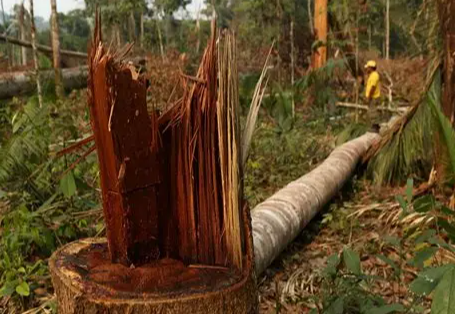
The bigger concern is that the environmental cost of biomass does not always end when the fuel reaches the power plant. Japan imports large quantities of wood pellets and palm kernel shells, meaning forests and agricultural landscapes in other countries are increasingly connected to Japan’s energy demand. Environmental groups argue that cutting trees, processing them into pellets, transporting them thousands of kilometres and then burning them can create significant emissions, even if the fuel is officially counted as renewable. There are also serious safety concerns because large quantities of biomass can heat up, release gases and create combustible dust, increasing the risk of fires and explosions if storage facilities are poorly managed. Japan therefore faces an important question: is replacing coal with biomass really a clean-energy solution if it creates new risks for forests, workers, communities and the climate? Biomass may have a role in Japan’s energy mix, but calling it renewable should not mean ignoring the full environmental and safety cost behind it. More