
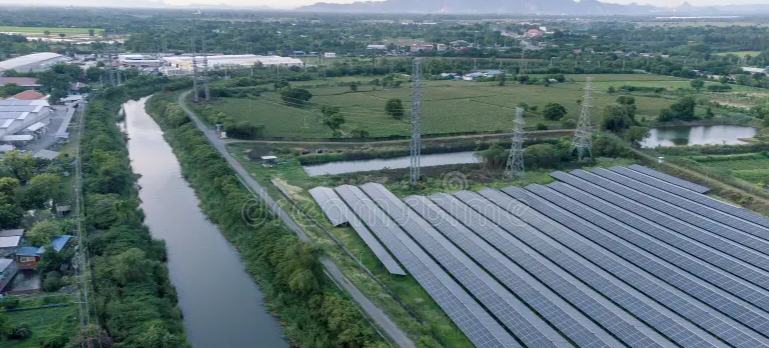
Bangladesh is facing an energy crisis, rising electricity costs and frequent pressure on its power system, yet many factories are still not making the move towards solar power. A study of 661 factories in Gazipur and Savar found that only 31% had adopted renewable energy, mainly through rooftop solar, while 69% were still relying on conventional electricity sources. This is a major missed opportunity because Bangladesh’s garment and textile sector has thousands of large factory rooftops that could be used for solar generation. The study estimates that the industry could potentially install around 2,800 MWp of rooftop solar, requiring an investment of about 126.7 billion taka, or roughly US$1.03 billion. But for many factory owners, the large upfront cost makes solar difficult, even when they know it could reduce their dependence on an unreliable grid and rising energy bills.
The problem is therefore not simply a lack of interest in renewable energy; it is a combination of high installation costs, limited access to finance, lack of technical knowledge and uncertainty about investment. Around 94% of factories that have already installed solar financed the systems with their own money, showing how limited access to affordable green financing remains. Among factories that have not adopted solar, about 65% said the high cost of installation was a major barrier. Smaller factories are particularly vulnerable because they remain heavily dependent on the national grid. There are already examples showing the potential: Ha-Meem Group has installed 29.2 MWp of rooftop solar and reported a nearly 60% reduction in diesel use. Bangladesh therefore has the rooftops, the sunlight and the industrial demand for electricity—but unless affordable loans, stronger incentives and easier access to solar technology become available, the country’s factories may continue buying expensive energy while a huge clean-energy opportunity sits above their heads. More