
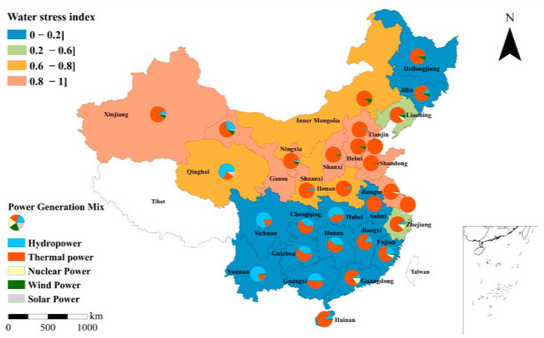
China is producing renewable energy at an extraordinary pace, but its electricity grid is struggling to absorb everything that solar and wind farms are generating. In the first six months of 2026, China reportedly had to turn away around 360 terawatt-hours of clean electricity, about 49% more than during the same period last year—an amount roughly equal to Mexico’s annual electricity use. The problem is particularly serious in areas where huge renewable projects are located far from the cities and industries that need the electricity. Limited transmission capacity means that even when the sun is shining and the wind is strong, some of that power cannot reach consumers. Analysts also point to the continued operation of coal plants under supply contracts as another factor making it harder for renewable electricity to enter the grid.
China is not the only country facing this problem. Australia curtailed about 7% of its wind and solar generation, Japan around 4%, and India about 14% of its solar output during the periods covered by the latest data. This shows that the clean-energy transition is entering a new phase: building more solar panels and wind turbines is not enough if the electricity cannot be stored, transmitted and used when people need it. More battery storage, stronger transmission networks and smarter electricity grids are becoming essential. China’s experience is a powerful reminder that the real measure of a renewable-energy transition should not simply be how many solar panels or wind turbines a country installs, but how much of that clean power actually reaches homes, businesses and industries instead of being left unused. More