
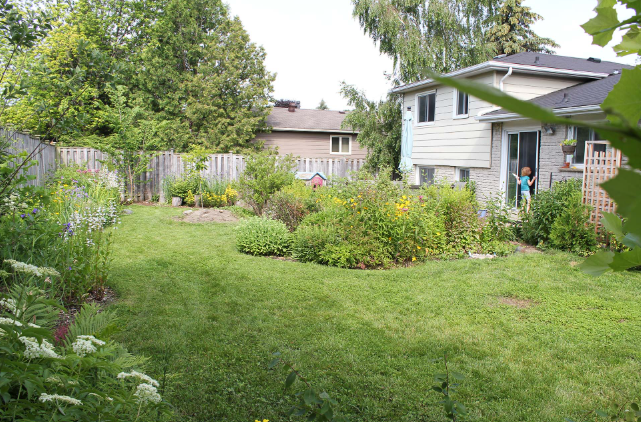
A growing number of homeowners across the United States are replacing traditional lawns with native plants to restore biodiversity and create healthier ecosystems. The rewilding movement encourages the use of locally adapted trees, shrubs, grasses, and wildflowers that provide food and shelter for birds, bees, butterflies, and other pollinators. Unlike conventional ornamental lawns, native landscapes require less water, fertilizer, and pesticides, making them more resilient to drought and climate change while reducing maintenance costs. Conservation groups note that habitat loss is one of the leading drivers of pollinator decline, with nearly one in four native bee species in North America considered at risk.
The movement is being supported by local governments, environmental organizations, and community groups through native plant giveaways, educational campaigns, and incentives for replacing water-intensive lawns. Citizens are contributing by creating pollinator gardens, reducing chemical use, installing bird-friendly habitats, and participating in neighbourhood conservation projects. These backyard restoration efforts are helping reconnect fragmented habitats across urban and suburban landscapes, improving biodiversity and strengthening ecosystem services such as pollination, soil health, and carbon storage. Experts say that when millions of households embrace native planting, even small gardens can collectively make a significant contribution to wildlife conservation and climate resilience. More