
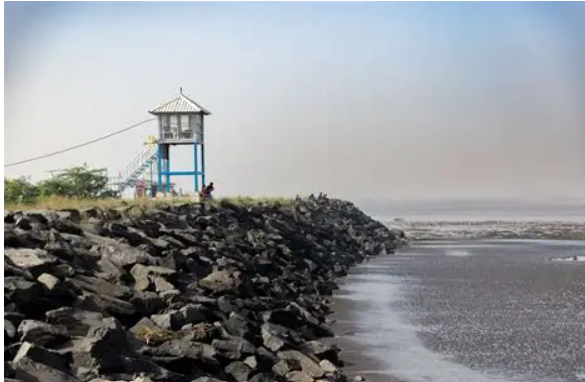
Surat, a major industrial and commercial hub in the western Indian state of Gujarat, is emerging as a national leader in building resilience against climate change and coastal hazards. Located near the Arabian Sea and the flood-prone Tapi River, the city has faced repeated threats from flooding, extreme rainfall, heatwaves, and sea-level rise. In response, the Government of Gujarat and the Surat Municipal Corporation (SMC) have invested in advanced flood forecasting and early warning systems, climate-resilient urban planning, improved drainage infrastructure, river management, and India’s pioneering Heat Action Plan. These initiatives have been supported by scientific institutions, the National Disaster Management Authority (NDMA), and international partners, helping the city better prepare for increasingly frequent extreme weather events.
Surat’s resilience strategy also highlights the importance of cooperation between government, businesses, and citizens. State and local authorities continue to enforce resilient building standards, expand green spaces, improve water management, and integrate climate adaptation into long-term urban planning. Local industries are investing in sustainable infrastructure and resource efficiency, while residents play an active role by participating in disaster preparedness programmes, conserving water, supporting waste segregation, protecting urban green spaces, and responding to official weather alerts during emergencies. Experts say Surat’s collaborative governance model—where government leadership, scientific innovation, private-sector participation, and community engagement work together offers a practical blueprint for other coastal cities seeking to strengthen climate resilience while sustaining economic growth and improving public health. More