
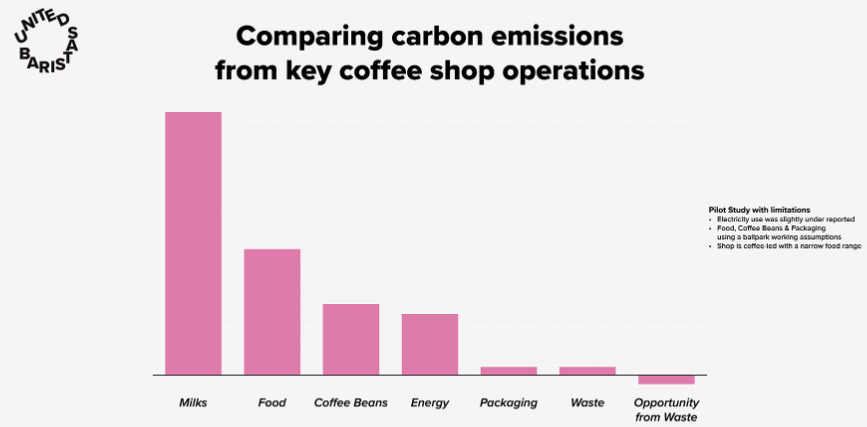
The beverages people consume every day can have a surprisingly large environmental impact, with studies showing that the production of certain drinks generates significant greenhouse gas emissions through agriculture, processing, packaging, and transportation. Dairy-based beverages, for example, often carry a higher carbon footprint due to methane emissions from livestock and the resources required to produce animal feed. Coffee and some imported beverages can also have substantial climate impacts when land-use changes, energy-intensive processing, and long-distance supply chains are considered. Researchers note that, over the course of a year, frequent consumption of high-emission beverages can contribute more to an individual’s carbon footprint than many short daily commutes, particularly when those commutes are made using public transport, cycling, or walking.
Environmental experts say consumers can reduce their climate impact by making more sustainable beverage choices, such as opting for locally produced drinks, reducing food and beverage waste, and choosing plant-based alternatives where appropriate. Packaging also plays an important role, with reusable containers and recyclable materials generally generating lower emissions than single-use options. As awareness of consumption-related emissions grows, sustainability advocates argue that everyday dietary decisions offer a practical way for individuals to support climate goals, demonstrating how small changes in daily habits can collectively contribute to reducing global greenhouse gas emissions. More