
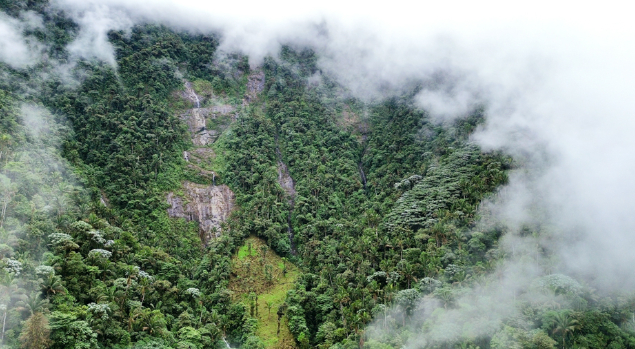
Deep in the misty cloud forests of Ecuador, botanists have uncovered an entirely new genus of tree belonging to the same plant family as tomatoes, potatoes, and eggplants. The discovery surprised researchers because members of the nightshade family, known scientifically as Solanaceae, are usually shrubs, vines, or small plants—not towering forest trees. The newly identified genus was found growing in the Andean region, one of the planet’s richest biodiversity hotspots, where isolated mountain ecosystems continue to hide species unknown to science. Researchers say the tree carries unusual floral structures and genetic traits that distinguish it from every previously known branch of the family tree. Its discovery is reshaping scientific understanding of how the tomato-potato lineage evolved over millions of years in South America.
The finding also highlights how much of Earth’s biodiversity remains undocumented, even in plant groups humans rely on daily for food and medicine. Scientists warn that these forests are already under pressure from climate change, mining, road expansion, and agricultural clearing, meaning newly discovered species could disappear before they are fully studied. Members of the Solanaceae family have historically provided vital crops, medicinal compounds, and ecological services, so uncovering a new evolutionary branch could eventually reveal unknown genetic traits valuable for crop resilience or disease resistance. Researchers involved in the discovery say the tree is another reminder that protecting old-growth forests is not only about saving wildlife—it is also about safeguarding future scientific knowledge hidden within ecosystems we still barely understand. More