
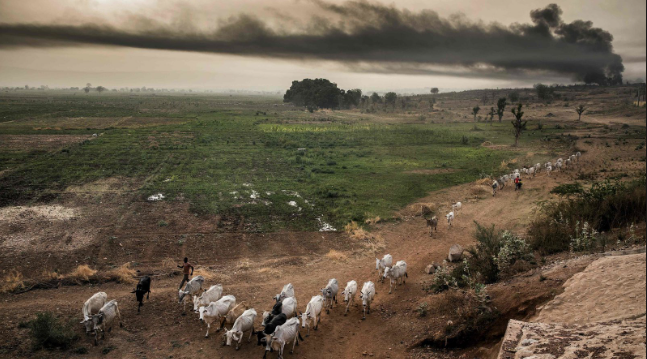
Climate change is rapidly reshaping the planet’s ecosystems, and scientists warn that thousands of plant species could lose the habitats they depend on within the coming decades. Rising temperatures, shifting rainfall patterns, prolonged droughts, wildfires, and extreme weather events are forcing plants to move toward cooler regions or higher elevations. But many species simply cannot migrate fast enough. Research published in recent years has shown that biodiversity hotspots such as tropical forests, Mediterranean ecosystems, alpine regions, and island habitats are especially vulnerable because plants there often exist in narrow climatic ranges. In some mountain regions, species are already being pushed “uphill” until there is literally nowhere left to grow. Conservationists fear this could trigger cascading ecological effects, since plants form the foundation of food webs and regulate water cycles, soil health, and carbon storage.
The crisis extends far beyond forests. Crop relatives, medicinal plants, pollinator-friendly species, and even ancient desert vegetation are increasingly at risk. According to global biodiversity assessments, climate change could threaten up to half of plant species in some ecosystems by the end of the century if warming continues unchecked. Scientists are now using satellite monitoring, seed banks, assisted migration projects, and habitat restoration efforts to help preserve vulnerable species before they disappear. Yet experts emphasize that conservation alone will not be enough without significant reductions in greenhouse gas emissions. The shrinking of plant habitats is not just a botanical concern — it is tied directly to food security, clean air, freshwater systems, and humanity’s ability to withstand a warming world. More