
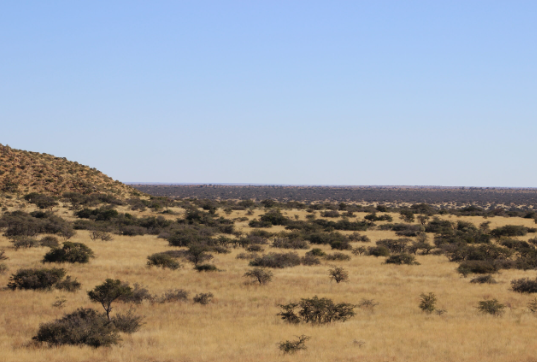
Across the vast drylands of the Kalahari Desert, conservation groups and local communities are reviving damaged ecosystems by bringing wildlife back to degraded landscapes—while also generating carbon credits that can fund long-term restoration. In parts of Botswana and southern Africa, projects are reintroducing native herbivores such as antelope and restoring natural grazing patterns that help grasses recover, improve soil health, and lock more carbon underground. Scientists say healthy dryland soils can store enormous amounts of carbon when vegetation is allowed to regenerate naturally. The approach combines conservation with climate finance: companies and investors purchase verified carbon credits linked to restored land, helping fund anti-poaching efforts, community jobs, and habitat protection in one of Africa’s most climate-vulnerable regions.
Researchers studying the Kalahari say degraded land often loses its ability to retain moisture, making droughts harsher and dust storms more common. By restoring wildlife corridors and reducing overgrazing pressure from livestock, projects are helping native grasses and shrubs return, which stabilizes soil and improves biodiversity. Some restoration zones are already reporting increases in bird populations, pollinators, and predator species that had nearly vanished from the area. Experts believe the model could become an important example for other arid regions facing desertification, especially as nearly 40% of the world’s land is classified as dryland. The work also challenges the old belief that deserts are “empty” landscapes, showing instead that healthy desert ecosystems can play a major role in climate resilience, carbon storage, and ecological recovery. More