
In the United States, scientists and agricultural economists are increasingly highlighting the untapped value locked in human sewage and livestock manure as a replacement for synthetic fertilisers. These waste streams contain large quantities of nitrogen, phosphorus, and potassium—the core nutrients used in industrial agriculture. Current estimates suggest that if fully recovered and processed, they could represent a resource worth about $5.7 billion annually while also reducing reliance on fertilisers that are energy-intensive to manufacture and heavily dependent on natural gas.
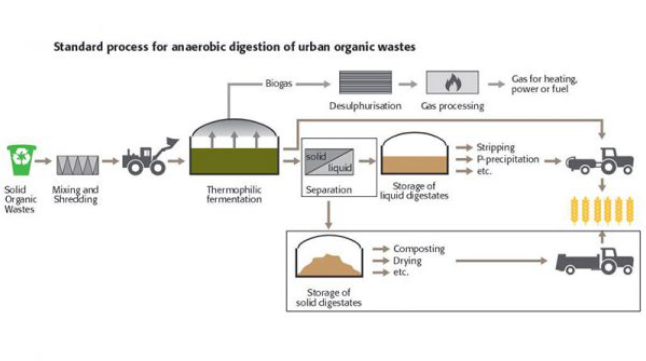
At the moment, most wastewater treatment plants are designed to remove and neutralise waste rather than recover nutrients, meaning valuable phosphorus and nitrogen are often lost or locked into sludge. Meanwhile, livestock manure—especially from large-scale cattle, poultry, and hog operations—is frequently overapplied to land or stored in lagoons, contributing to runoff and water pollution. Researchers argue that technologies like nutrient-stripping systems, anaerobic digestion, and struvite crystallisation could transform these waste streams into standardised fertiliser products. If scaled effectively, this shift could reduce fertiliser imports, cut greenhouse gas emissions from production, and improve water quality by preventing nutrient overload in rivers and coastal zones—but it would require major infrastructure investment and tighter coordination between agriculture and wastewater sectors. More