
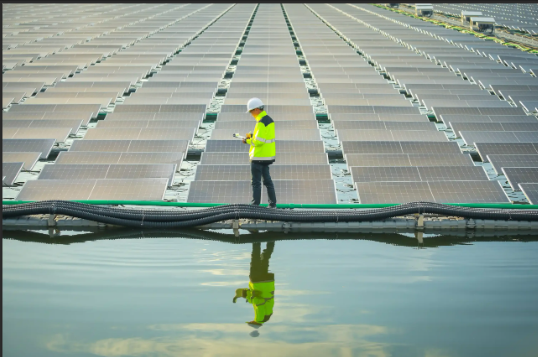
A recent study from Taiwan highlights how combining solar power with aquaculture — known as solar aquaculture or “solar fish farming” — can strengthen climate resilience while producing both energy and food. Researchers found that installing solar panels over fish and shrimp ponds reduces water evaporation, stabilizes pond temperatures, and increases productivity of aquatic species. At the same time, the solar panels generate renewable electricity, providing farmers with additional income and cutting reliance on fossil fuels. Trials across central and southern Taiwan showed that solar-covered ponds maintained cooler water in summer and produced up to 15% more yield than conventional open ponds.
The approach also contributes to climate mitigation by lowering greenhouse gas emissions. By producing electricity on-site, farmers reduce the need for coal or gas-powered energy, while the shade from panels limits algal blooms that can release methane and nitrous oxide. Researchers estimate that widespread adoption of solar aquaculture could cut carbon emissions by thousands of tonnes per year in Taiwan’s aquaculture sector, while safeguarding food production against extreme heat and drought linked to climate change. Experts say the model demonstrates a practical way to integrate renewable energy and sustainable food systems in regions facing warming temperatures and water scarcity. More