
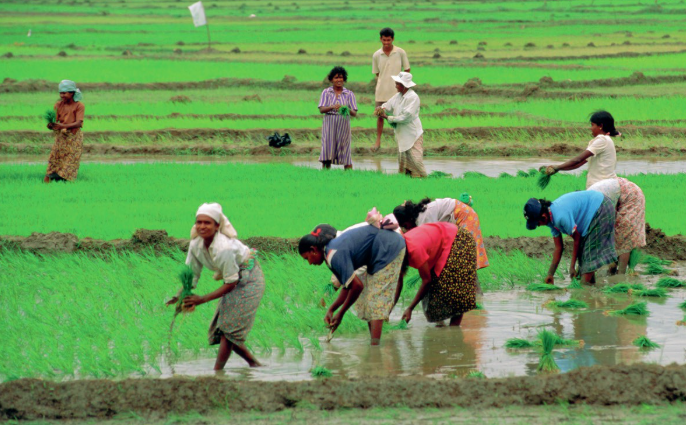
Sri Lanka’s heirloom rice is making a quiet comeback, bringing attention back to farming traditions that have been passed down for generations. These traditional varieties, known locally as “purana haal,” were once an important part of Sri Lankan agriculture, culture and food systems, but many were pushed aside by modern high-yield rice varieties. Today, around 2,500 heirloom rice varieties are preserved at Sri Lanka’s Plant Genetic Resources Centre, although many more varieties once grown by farmers have already disappeared. Varieties such as Suwandel, Heenati and Maa Wee are now attracting renewed interest because they are closely connected to traditional farming knowledge and local growing conditions. Sri Lanka has cultivated rice for thousands of years, with traditional farmers developing varieties suited to different soils, climates and water conditions. Bringing these varieties back is therefore not simply about saving old seeds—it is about keeping Indigenous farming knowledge, food traditions and agricultural biodiversity alive.
There is also growing interest in whether some of these traditional rices could contribute to better health, particularly in managing diabetes and other diet-related conditions. Researchers are examining their nutritional characteristics, including fibre, antioxidants and other compounds, while some varieties have long been used in Sri Lankan traditional medicine. However, their health benefits should not be treated as a replacement for medical treatment; the stronger value lies in the combination of nutrition, biodiversity and traditional knowledge. At a time when agriculture is becoming increasingly dependent on a smaller number of commercial crop varieties, Sri Lanka’s heirloom rice offers another way forward—protecting genetic diversity while giving farmers access to crops that have evolved alongside their landscapes and farming practices. The story is ultimately about much more than rice: when an old seed survives, a piece of farming history, local knowledge and cultural identity survives with it. More