
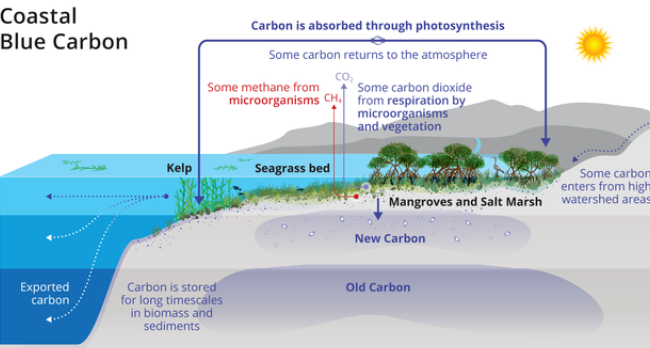
Across the Philippines, coastal communities are embracing the quiet power of nature to fight back against climate shocks. Blue carbon ecosystems—like mangroves, seagrass beds, and tidal marshes—are proving to be natural shields against rising seas, fierce storms, and coastal erosion. These unique habitats don’t just protect lives; they also store massive amounts of carbon—up to five times more than tropical forests. In places like Tubigon, Bohol, local “sea guardians” help care for over 300 hectares of mangroves that not only defend against typhoons but store hundreds of tons of carbon per hectare. After a devastating typhoon season in 2024, including Super Typhoon Man-Yi (Pepito), government agencies and conservation groups have launched the National Blue Carbon Action Partnership (NBCAP) to expand protection and restoration efforts across the country.
But this is more than just an environmental initiative—it’s a lifeline for communities. In Aklan’s Katunggan It Ibajay Eco-Park, reforested mangroves have become a source of income through ecotourism and sustainable fishing. In Nasingin, when boats couldn’t sail, families turned to shellfish in the mangroves to survive. These ecosystems are giving people real, daily benefits while helping the planet heal. Though the Philippines has lost nearly half of its mangrove cover since the 1920s, the momentum is shifting. With a national roadmap now in place, and international partners like the World Economic Forum and Zoological Society of London stepping in, the Philippines is showing how nature and community can come together to build resilience and hope for the future. More