
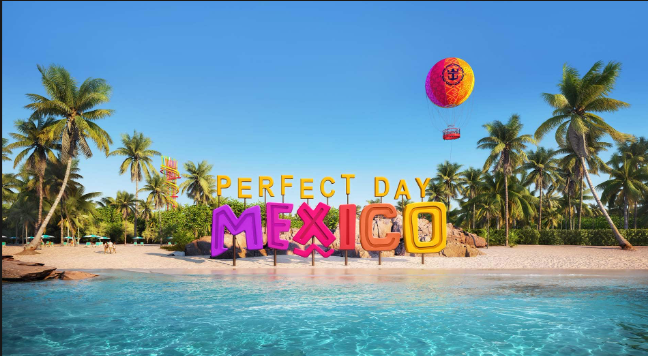
Mexico has reportedly rejected plans by Royal Caribbean Group to develop its proposed “Perfect Day” water park destination along the country’s Caribbean coastline, dealing a setback to one of the cruise industry’s major tourism expansion projects. Environmental authorities and local advocacy groups raised concerns that the large-scale resort and entertainment complex could damage fragile coastal ecosystems, including mangroves, coral reefs, and marine habitats that support biodiversity and protect shorelines from erosion and storms. Critics also warned that increased tourist traffic, construction activity, and water consumption could place additional strain on environmentally sensitive areas already threatened by climate change and overdevelopment. The Caribbean coast of Mexico, particularly around the Yucatán Peninsula, is considered one of the region’s most ecologically valuable tourism zones.
The rejection highlights growing tensions between tourism-driven economic development and environmental protection across many coastal regions worldwide. Mexico’s Caribbean destinations attract millions of visitors annually and generate significant revenue, but conservationists argue that unchecked expansion of mega-resorts and cruise infrastructure is accelerating habitat loss and pollution in vulnerable marine ecosystems. Scientists have warned that coral reefs throughout the Caribbean are already under severe stress from warming ocean temperatures, ocean acidification, and coastal contamination. Environmental groups welcomed the decision as an important example of prioritizing ecological sustainability over short-term tourism profits, while industry analysts say cruise companies may increasingly face stricter environmental scrutiny as governments respond to rising public concern over the long-term impacts of mass tourism projects. More