
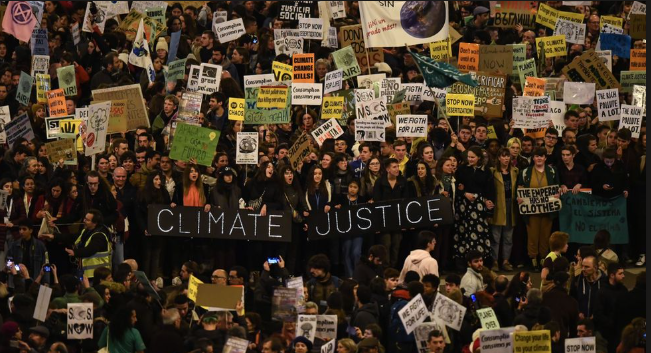
The United Nations has moved forward with efforts to strengthen international climate accountability by backing an advisory opinion from the world’s highest court on governments’ legal obligations to address climate change. The initiative seeks guidance from the International Court of Justice on whether countries can be held responsible under international law for failing to prevent climate harm or protect vulnerable populations from rising environmental risks. A large majority of nations supported the move, viewing it as a historic step toward clarifying global legal duties on emissions reductions, climate adaptation, and financial support for developing countries already facing severe impacts such as sea-level rise, droughts, and extreme weather disasters. Small island nations and climate-vulnerable states have been among the strongest advocates, arguing that existing international commitments are insufficient to protect communities threatened by global warming.
However, the United States was among a small group of countries expressing opposition or hesitation, reportedly concerned about the legal and economic implications that such an opinion could create for major emitting nations. Legal experts say that while the court’s advisory opinion would not be directly binding, it could significantly influence future climate litigation, international negotiations, and environmental policy worldwide. Climate activists believe the process could strengthen arguments for holding governments and corporations accountable for environmental damage and unmet emissions targets. The development comes as global temperatures continue to approach critical warming thresholds, with scientists warning that stronger international cooperation is urgently needed to avoid escalating ecological, economic, and humanitarian consequences linked to climate change. More