
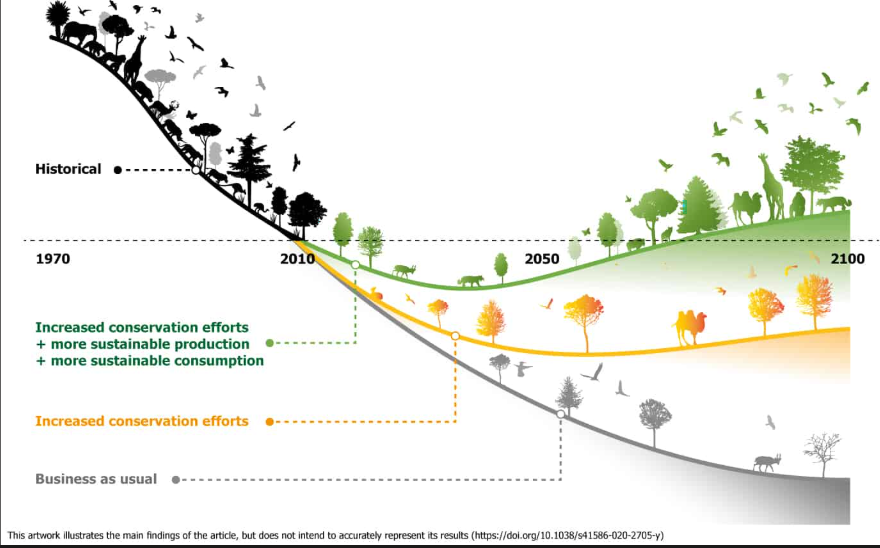
Wildlife conservation is entering a new era as scientists, governments, and communities adopt innovative approaches to reverse biodiversity loss and strengthen species recovery. Five major trends are reshaping conservation strategies: the expansion of protected areas, restoration of degraded habitats, use of advanced technologies such as artificial intelligence and environmental DNA monitoring, stronger Indigenous-led conservation, and increased investment in nature-based solutions. These approaches are helping researchers track endangered species more accurately, identify threats earlier, and design targeted recovery programmes. According to the International Union for Conservation of Nature (IUCN), more than 45,000 species are currently assessed as threatened with extinction, highlighting the urgent need for improved conservation action worldwide.
Successful recovery projects are demonstrating that coordinated efforts can bring vulnerable species back from the brink. Examples include the restoration of habitats for threatened birds, marine species, and large mammals through rewilding, wildlife corridors, anti-poaching initiatives, and community-based stewardship. New technologies such as satellite tracking, drones, and genetic tools are making conservation more efficient, while global agreements like the Kunming-Montreal Global Biodiversity Framework aim to protect 30% of the planet’s land and oceans by 2030. Experts say combining scientific innovation, local knowledge, and long-term funding will be essential to ensuring that wildlife populations recover and ecosystems remain resilient in the face of climate change and human pressures. More