
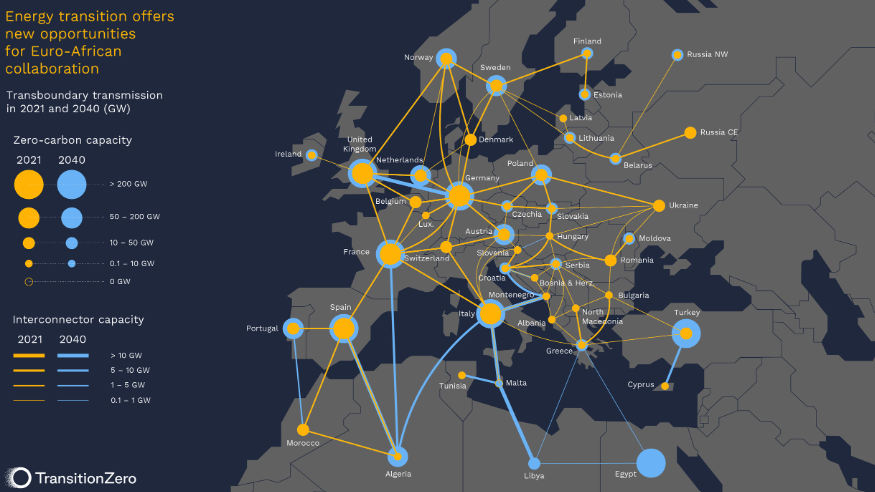
Several European Union member states are seeking to reduce funding for major cross-border electricity and gas infrastructure projects as negotiations continue over the bloc’s next long-term budget. The proposed cuts would affect investments in transnational energy grids designed to connect national power systems, improve electricity trading, and strengthen energy security. These interconnectors are considered vital for integrating renewable energy sources such as wind and solar, allowing surplus clean electricity generated in one country to be shared with neighbouring nations during periods of high demand or low renewable output.
Supporters of continued investment warn that scaling back funding could slow Europe’s transition to a cleaner and more resilient energy system. Cross-border transmission projects help reduce reliance on fossil fuels, improve grid stability, and lower energy costs by enabling more efficient electricity flows across the continent. While some governments argue that limited EU funds should be redirected toward defence, competitiveness, or domestic priorities, energy experts caution that underinvesting in shared infrastructure could delay the bloc’s climate targets, weaken energy security, and make it harder to achieve the European Union’s goal of climate neutrality by 2050. More