
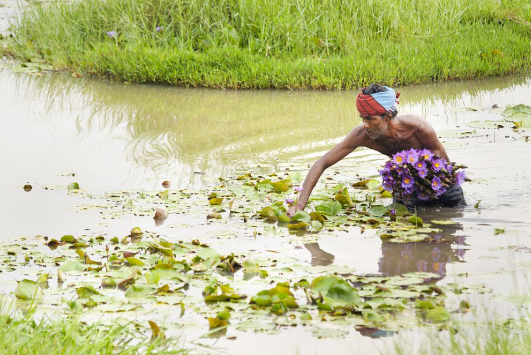
In drought-affected regions of Bangladesh, a civil engineer-led restoration effort has helped bring severely degraded wetlands back to life by re-establishing natural water flow and rebuilding lost hydrological connections. The project focused on repairing blocked canals, removing sediment buildup, and redesigning drainage pathways that had been disrupted by unplanned infrastructure and prolonged dry conditions. These interventions allowed seasonal floodwaters to once again spread across the wetland landscape, rehydrating soils that had been dry for years and restoring conditions needed for aquatic vegetation to regrow.
As water returned, the ecosystem began to recover: native reeds and aquatic plants reappeared, fish populations started to rebound, and bird species returned to feeding and nesting grounds that had previously disappeared. The restored wetlands now also act as natural water storage systems, helping buffer surrounding communities against drought stress and extreme rainfall variability. Experts note that such nature-based engineering approaches are increasingly important in South Asia, where climate change is intensifying both flooding and water scarcity, making wetland restoration a cost-effective tool for ecological recovery and rural resilience. More