
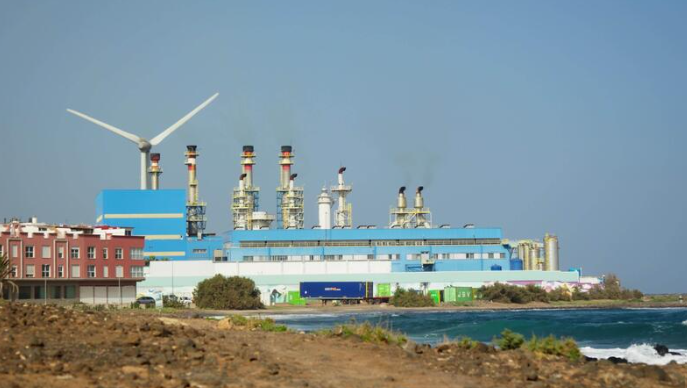
Morocco is taking a major step towards changing the way Casablanca deals with its growing waste problem, with a $1.5 billion waste-to-energy project planned at the Médiouna landfill. The facility is expected to handle up to 4,000 tonnes of household waste every day and could generate enough electricity to meet around 30% of Casablanca’s public-lighting needs. The project will bring together waste treatment, recycling, energy recovery and rehabilitation of the existing landfill, serving a city and surrounding area of nearly 4 million people. For Casablanca, which has struggled with the environmental and health impacts of traditional waste disposal, the project offers an opportunity to turn a growing waste burden into a source of energy.
But the real test will be whether Morocco can make waste-to-energy part of a circular economy, rather than simply replacing one form of waste disposal with another. The project covers around 260 hectares, and restoring the old landfill is an important part of the plan. At the same time, burning waste can create emissions and can discourage recycling if it becomes the easiest solution. Casablanca will therefore need strong waste segregation, recycling systems, strict pollution controls and transparent monitoring. The message is simple: waste should not disappear from our streets only to create another environmental problem somewhere else. If Morocco can combine recycling, responsible waste treatment and energy recovery, Casablanca could turn its waste crisis into a model for other rapidly growing African cities. More