
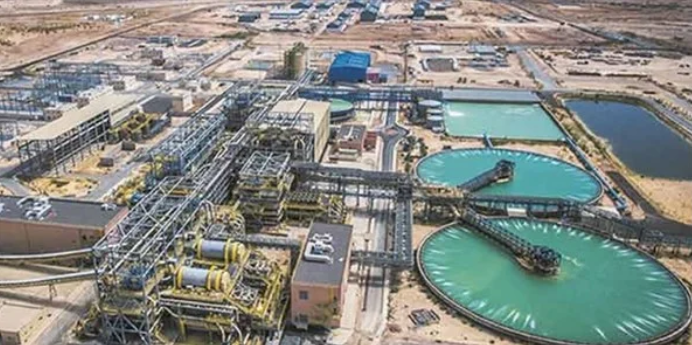
Morocco is moving ahead with a $1.5 billion waste-to-energy project in Casablanca, transforming one of the city’s biggest environmental problems into a potential source of electricity. A consortium led by Swiss-Japanese company Kanadevia Inova, together with Morocco’s Nareva and Japan’s Itochu, has signed a concession agreement with Casablanca authorities, with construction expected to begin by the end of 2026 and full operations targeted for mid-2030. The facility is planned to process around 1.5 million tonnes of waste each year and generate approximately 115 MW of electricity, potentially supplying power to nearly one million people. The project will also incorporate recycling, waste treatment and the recovery of gas from the existing Médiouna landfill, turning a long-standing waste challenge into an energy and resource-recovery opportunity.
But Casablanca’s ambitious project also raises an important question: can waste-to-energy become a genuine circular-economy solution rather than simply a more sophisticated form of waste disposal? The Médiouna landfill has faced years of criticism over pollution, odours and environmental impacts, while Casablanca generates thousands of tonnes of municipal waste every day. The wider project is expected to serve around 3.9 million people and combine sorting, recycling, incineration, biogas recovery and energy production. For Morocco, the real measure of success should therefore not be how much waste is burned, but how much waste is prevented, reused, recycled and recovered before reaching the incinerator. If Casablanca can combine energy recovery with aggressive recycling, methane capture, emissions controls and public participation, the project could offer a significant model for rapidly growing African cities struggling with both waste and energy pressures. More