
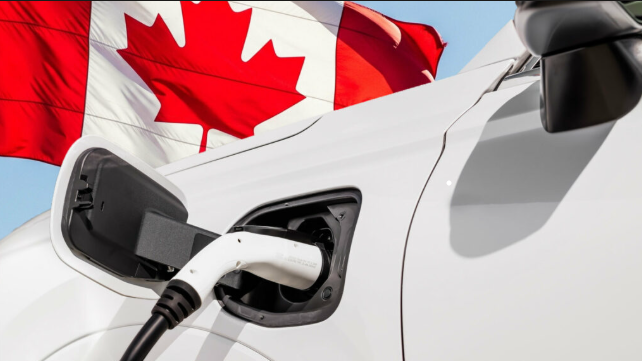
Canada has abandoned its national electric vehicle (EV) sales mandate, which had aimed for 100% zero-emission vehicle sales by 2035, citing industry concerns and slower-than-expected adoption. Instead, the government will rely on stricter fuel-efficiency and emissions standards, alongside rebates for EV buyers and expanded support for charging infrastructure. Automakers had argued that the previous mandate was unrealistic given economic pressures, falling EV sales after incentives lapsed, and higher costs due to tariffs on vehicles exported to the United States. In early 2025, only around 8.7% of new vehicle registrations in Canada were electric, highlighting the challenge of meeting the original targets.
The revised plan includes up to $2.3 billion in consumer incentives for battery-electric and plug-in hybrid vehicles, with price caps to ensure affordability, while funding for EV charging networks will also be renewed. Tougher emissions rules for new vehicles are expected to achieve similar environmental outcomes as the previous quota system. While the government presents the move as a pragmatic balance between industry needs and climate goals, critics warn that removing binding sales targets could slow Canada’s progress toward 2030 emissions reduction commitments and the transition to a fully zero-emission vehicle market. More