greenhumans

Study Finds US Responsible for Over $10 Trillion in Global Climate Damage Since 1990

New research published in Nature estimates that emissions from the United States have contributed to more than $10 trillion in climate-related economic losses worldwide since 1990. By linking rising global temperatures to national emissions, scientists found that decades of fossil fuel use have driven extreme heat, droughts, and reduced productivity across many regions—slowing economic growth […]

Study Finds US Responsible for Over $10 Trillion in Global Climate Damage Since 1990 Read More »
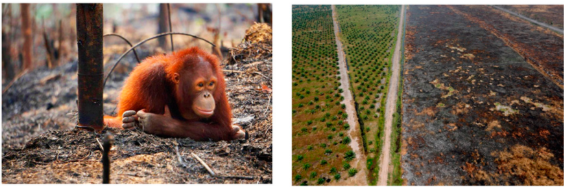
Palm Oil Expansion Continues to Encroach on Bornean Orangutan Habitat Despite Ecological Warnings

Deforestation linked to palm oil is still pushing into key habitats of the endangered Bornean orangutan, even as scientists and conservationists raise serious concerns. On Borneo, forest areas that serve as crucial feeding and migration zones are being cleared for new plantations, including regions previously flagged for their high ecological value. In Indonesia’s Kalimantan region,

Palm Oil Expansion Continues to Encroach on Bornean Orangutan Habitat Despite Ecological Warnings Read More »

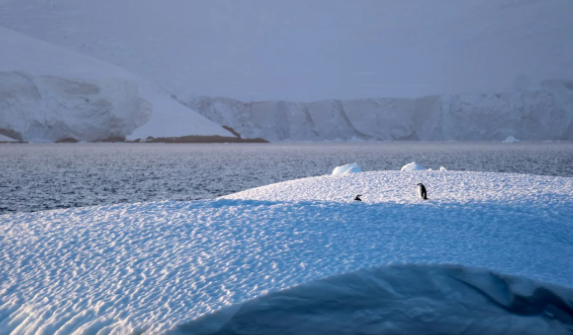
 Earth’s 40,000-Year Tilt Cycle Found to Synchronize Antarctic Ice Growth with Subtropical Oceans

New research reveals that Earth’s 40,000-year axial tilt cycle—known as obliquity cycle—plays a crucial role in linking Antarctic ice sheet expansion with changes in ocean productivity far beyond the polar region. Scientists studying sediment cores and climate records found that when Earth’s tilt angle shifts, it alters how solar energy is distributed across the planet.

 Earth’s 40,000-Year Tilt Cycle Found to Synchronize Antarctic Ice Growth with Subtropical Oceans Read More »

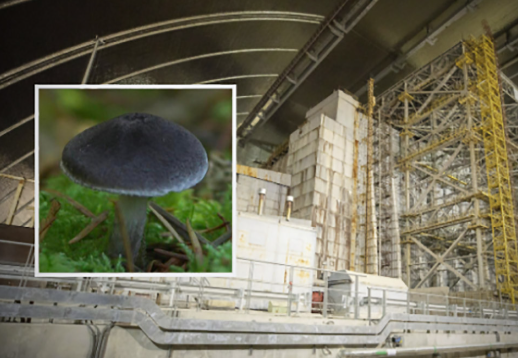
Chernobyl’s Radiation-Eating Fungus Reveals a Surprising Survival Superpower

In the highly radioactive environment of the Chernobyl Exclusion Zone, scientists have discovered fungi that appear to not only survive but potentially thrive on radiation. Following the Chernobyl disaster, several species of “radiotrophic” fungi—particularly those rich in the pigment melanin—were found growing on reactor walls and contaminated soil. Studies suggest that these fungi may use

Chernobyl’s Radiation-Eating Fungus Reveals a Surprising Survival Superpower Read More »

Japan Activates Asia’s First 24/7 “Blue Energy” Plant Powered by Water Mixing

Japan has brought online Asia’s first osmotic power plant, marking a significant step in diversifying its renewable energy portfolio with a constant, weather-independent source. Located in Fukuoka, the facility generates electricity using pressure retarded osmosis (PRO)—a process where freshwater and seawater are separated by a semi-permeable membrane. As freshwater naturally moves toward the saltier side,

Japan Activates Asia’s First 24/7 “Blue Energy” Plant Powered by Water Mixing Read More »

Arctic Ice at Record Low: Unusual Global Heat Pushes Planet into Uncharted Territory

Arctic sea ice has reached its lowest winter maximum ever recorded, highlighting the accelerating impact of global warming. Scientists tracking the region, including those from NASA and National Snow and Ice Data Center, report that the seasonal peak—typically reached in March—has shrunk to levels never seen in over four decades of satellite data. This year’s

Arctic Ice at Record Low: Unusual Global Heat Pushes Planet into Uncharted Territory Read More »

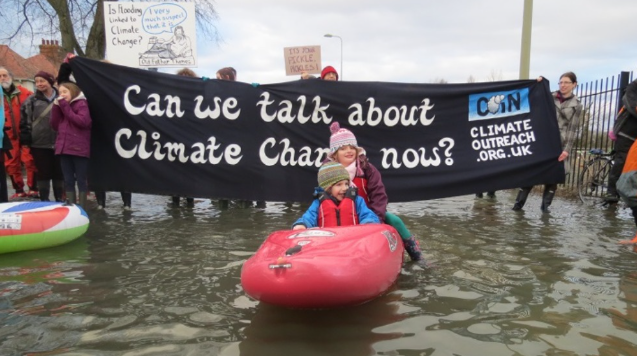
UK Watchdog Reignites Fight Against Climate Misinformation in Media

The Ofcom has decided to investigate complaints about climate change denial in broadcast media for the first time since 2017, signaling a shift in how seriously it treats misinformation. The action comes after thousands of viewers raised concerns about statements aired on channels like TalkTV and TalkRadio, where climate change was reportedly dismissed or described

UK Watchdog Reignites Fight Against Climate Misinformation in Media Read More »

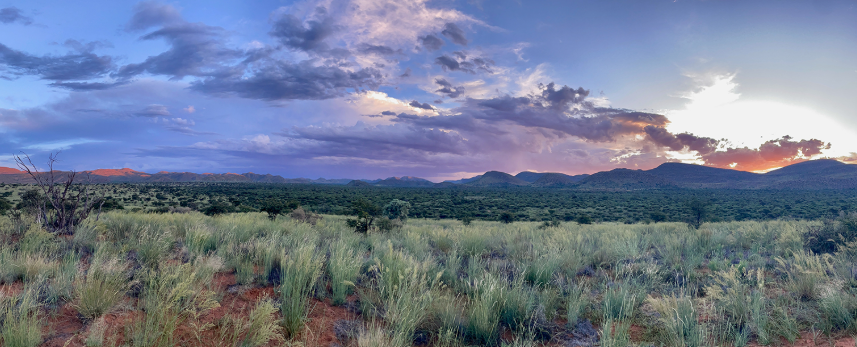
 Carbon Credits Revive Wilderness: South Africa Reserve Demonstrates a New Model for Rewilding

In South Africa, innovative conservation at Babanango Game Reserve is showing how carbon finance can accelerate ecosystem restoration. Spanning over 20,000 hectares, the reserve has been transformed from degraded farmland into a thriving habitat through a rewilding model funded partly by carbon credits. By restoring native vegetation and reintroducing wildlife such as elephants, lions, and

 Carbon Credits Revive Wilderness: South Africa Reserve Demonstrates a New Model for Rewilding Read More »

Water Wealth: How Lesotho Is Turning Its Rivers into Strategic Power

High in the mountains of Lesotho, water is emerging as a powerful economic and geopolitical asset. Known as the “Kingdom in the Sky,” Lesotho supplies vast quantities of freshwater to neighboring South Africa through the multibillion-dollar Lesotho Highlands Water Project. This system of dams and tunnels channels water from the Orange-Senqu River basin into South

Water Wealth: How Lesotho Is Turning Its Rivers into Strategic Power Read More »

Fossil Fuel Giants Acknowledge Climate Crisis but Continue to Downplay Responsibility

Major oil and gas companies are increasingly recognizing the reality of the climate crisis, yet many continue to avoid fully accepting their role in driving it. Firms such as ExxonMobil, BP, and Shell now publicly support climate action and have set net-zero targets. However, reports show that these companies still invest hundreds of billions of

Fossil Fuel Giants Acknowledge Climate Crisis but Continue to Downplay Responsibility Read More »