
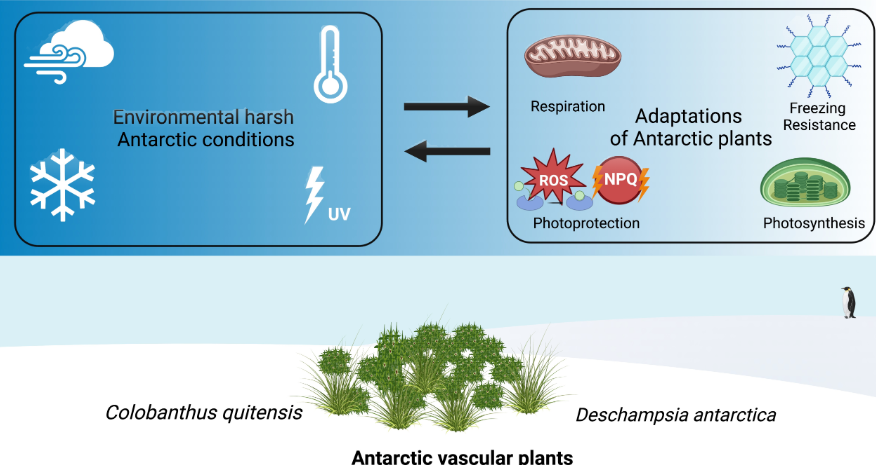
A tiny Antarctic plant is giving scientists a new way to think about the future of farming. Chilean researchers have completed the most detailed genetic map of Colobanthus quitensis, one of only two flowering plants that naturally grow in Antarctica. This small plant survives freezing temperatures, very little water and strong ultraviolet radiation—conditions that would destroy most crops. Through the Polarix project, researchers mapped all 40 chromosome-scale parts of its genome, giving them a much clearer picture of the genetic traits that allow the plant to survive in such an extreme environment.
The discovery could become important for agriculture as heat, drought and unpredictable weather put increasing pressure on food production. Scientists can now study the plant’s genes to understand how it manages extreme environmental stress and explore whether some of these traits could eventually be introduced into useful food crops through gene-editing techniques. The researchers are not looking to create transgenic plants, but to edit the genes of crops with nutritional value. However, this is still early research, and scientists estimate that it could take five to 10 years before commercial applications are developed. In a changing climate, this tiny Antarctic survivor could therefore become a valuable natural guide for developing crops that are better prepared for the difficult growing conditions of the future. More