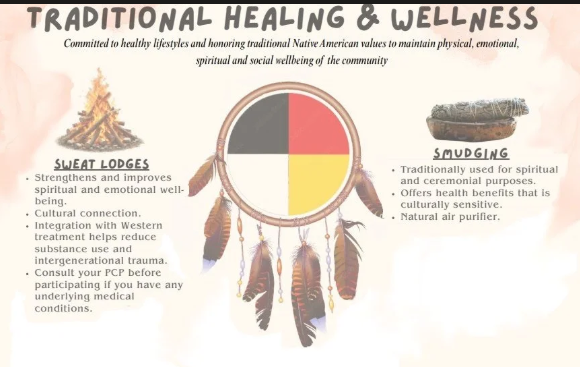
As environmental crises intensify worldwide, researchers and Indigenous leaders are drawing attention to traditional knowledge systems that view humans as part of nature rather than separate from it. Many Indigenous cultures emphasize reciprocal relationships with the natural world, where the health of people, communities, and ecosystems are deeply interconnected. Growing evidence from fields such as psychology, ecology, and public health suggests that this worldview can foster stronger environmental stewardship, improve mental wellbeing, and encourage more sustainable decision-making. Scientists increasingly argue that overcoming the perceived divide between humans and nature may be essential for addressing challenges such as climate change, biodiversity loss, and ecological degradation. Indigenous approaches often incorporate practices such as caring for ancestral lands, community-based resource management, seasonal ecological knowledge, and cultural traditions that reinforce respect for ecosystems. Studies have found that spending time in healthy natural environments can reduce stress, improve cognitive function, and strengthen social connections—benefits that align closely with Indigenous understandings of wellbeing. Conservation experts are now exploring how these perspectives can inform environmental education, restoration projects, and policy development. By recognizing that human prosperity depends on the health of the natural world, Indigenous knowledge offers valuable guidance for building more resilient societies and fostering a deeper, more sustainable relationship with the planet. More