
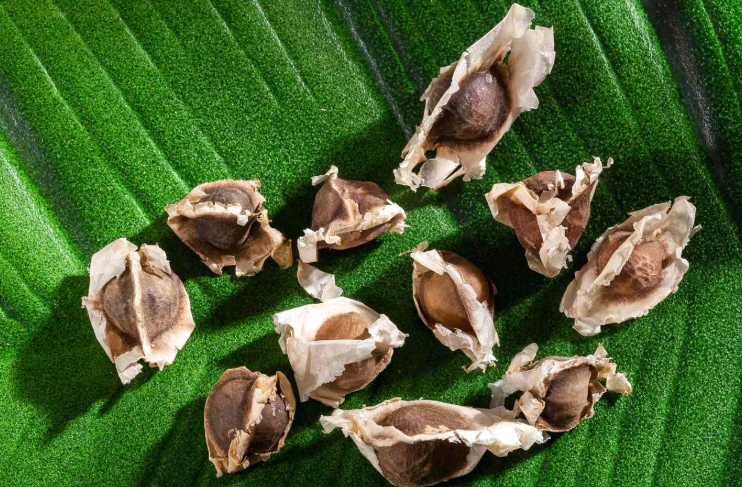
Researchers have found that proteins extracted from moringa (Moringa oleifera) seeds can remove microplastics from water with an efficiency comparable to conventional chemical coagulants, offering a more sustainable approach to water treatment. The natural compounds cause tiny plastic particles to clump together, making them easier to separate during the filtration process. Unlike commonly used synthetic chemicals such as aluminium- or iron-based coagulants, moringa seed extracts are biodegradable, renewable, and generate less environmentally harmful sludge, making them an attractive alternative for both municipal and rural water treatment systems.
The findings highlight the growing potential of plant-based technologies to tackle emerging forms of pollution while reducing the environmental footprint of water purification. Microplastics—particles smaller than five millimetres have been detected in rivers, lakes, oceans, drinking water, and even human tissues, raising concerns about their long-term impacts on ecosystems and public health. Scientists say further large-scale trials are needed to optimise moringa-based treatment for different water conditions, but the research supports the development of affordable, nature-based solutions that can improve access to cleaner water while advancing circular and sustainable environmental management. More