
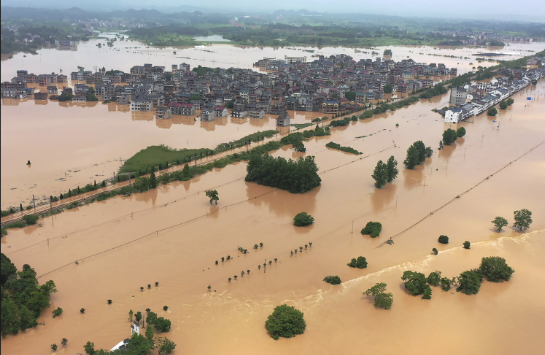
Chinese meteorologists are warning that desert regions once known for chronic water scarcity are becoming increasingly vulnerable to extreme flooding. The concern stems from rising global temperatures, which allow the atmosphere to hold more moisture and fuel more intense rainfall events. In northwestern China, including parts of the Taklamakan and Gobi Desert regions, unusually heavy rainstorms have become more frequent in recent years. Unlike forests or grasslands, desert landscapes have sparse vegetation and hard, dry soils that absorb little water. As a result, intense rainfall can rapidly turn dry riverbeds into torrents, creating dangerous flash floods within hours.
The impacts can be severe despite the relatively low population density of these regions. Flash floods can destroy roads, railways, power infrastructure, farms, and mining operations, while also threatening lives in remote communities. Sudden surges of water can trigger landslides, erode fragile soils, and damage desert ecosystems that are not adapted to such extreme conditions. Scientists also warn that these events are part of a broader climate trend in which regions are experiencing more intense weather extremes—from severe droughts to record-breaking floods. The growing flood risk in China’s deserts highlights how climate change is reshaping environments in unexpected ways, forcing governments to rethink disaster preparedness even in areas traditionally associated with dryness rather than flooding. More