
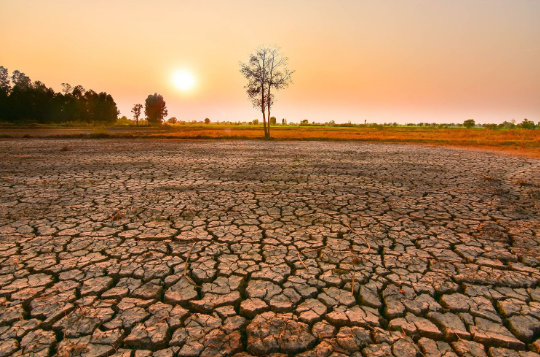
As communities around the globe observe World Environment Day, climate scientists are drawing attention to the growing influence of El Niño, the natural climate pattern known for raising global temperatures and disrupting weather systems. El Niño occurs when surface waters in the central and eastern Pacific Ocean become unusually warm, altering rainfall and temperature patterns across continents. Its effects can include prolonged droughts, intense heatwaves, reduced crop yields, and increased wildfire risks in regions such as Australia, Southeast Asia, southern Africa, and parts of the Americas. Combined with long-term climate change, El Niño events often push global temperatures to record highs and amplify extreme weather conditions.
Researchers warn that even a moderate El Niño can have far-reaching consequences for ecosystems, food security, and water resources. Previous strong El Niño events have been linked to coral bleaching across tropical oceans, reduced fish populations, and significant agricultural losses. The phenomenon also influences global carbon cycles, as drought-stressed forests absorb less carbon dioxide while wildfires release more greenhouse gases into the atmosphere. As nations reflect on environmental challenges and solutions, scientists emphasize that improving climate resilience—from water conservation and sustainable farming to ecosystem restoration—will be essential for coping with both natural climate variability and the accelerating impacts of global warming. More