
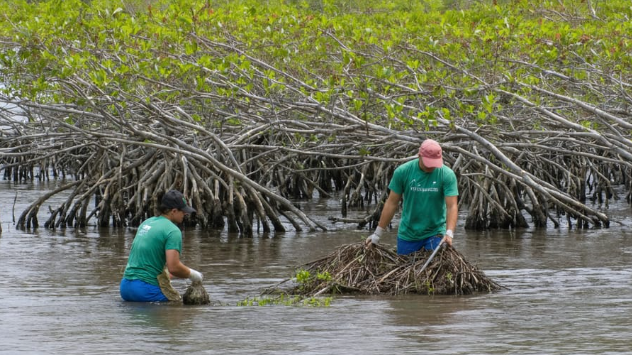
Costa Rica, long recognized as a global leader in environmental conservation, is expanding its pioneering Payment for Ecosystem Services (PES) program beyond forests to include mangroves, coral reefs, seagrass meadows, and other marine ecosystems. Since its launch in the 1990s, the PES program has compensated landowners for protecting forests that store carbon, safeguard water resources, and support biodiversity. The new expansion acknowledges that coastal and marine ecosystems provide equally valuable services, including carbon sequestration, shoreline protection, fisheries support, and habitat for countless species. By extending financial incentives to these ecosystems, Costa Rica aims to strengthen conservation efforts both on land and at sea.
The move comes as scientists increasingly highlight the importance of “blue carbon” ecosystems such as mangroves and seagrass beds, which can store carbon at rates far higher than many terrestrial forests. Mangroves also act as natural barriers against storms and coastal erosion, while coral reefs support marine biodiversity and help sustain local economies through tourism and fisheries. Conservation experts believe Costa Rica’s expanded approach could become a model for other nations seeking innovative ways to fund ocean protection and climate resilience. By placing economic value on nature’s benefits, the country is demonstrating how environmental stewardship and sustainable development can work hand in hand. More