
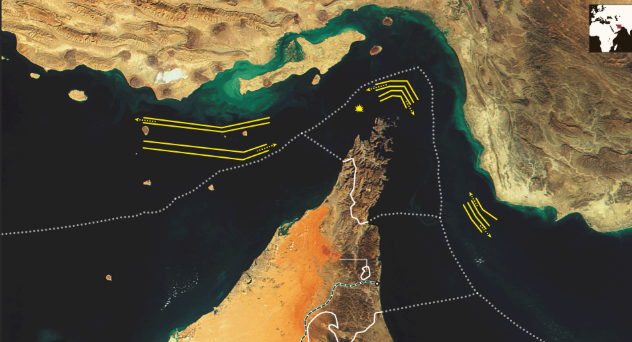
A potential blockade or disruption in the Strait of Hormuz—one of the world’s most critical shipping lanes—has raised alarms over a looming global food security crisis. Nearly 20% of the world’s traded oil and a significant share of fertiliser exports, particularly nitrogen, ammonia, and urea from Gulf nations, pass through this narrow corridor daily. Countries like Saudi Arabia, Qatar, and the UAE are among the largest fertiliser producers, supplying key agricultural markets in Asia and Africa. Any interruption could sharply reduce fertiliser availability, driving up prices for farmers already grappling with inflation, climate stress, and supply chain fragility.
The ripple effects could be severe: fertiliser shortages would likely reduce crop yields for staples like wheat, rice, and maize, particularly in import-dependent regions such as South Asia and sub-Saharan Africa. Analysts warn that even a short-term disruption could push global fertiliser prices up by 20–40%, echoing shocks seen during the Russia-Ukraine War, when fertiliser and grain exports were heavily disrupted. With global food systems already under strain from extreme weather and geopolitical tensions, a prolonged blockade could deepen hunger risks for millions, turning a regional chokepoint into a worldwide “food security timebomb.” More