
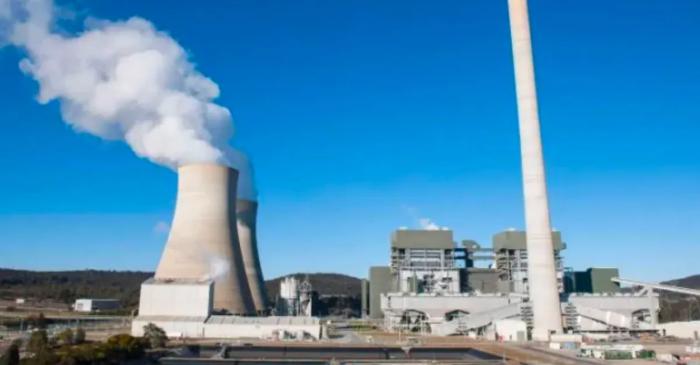
Australia’s 2035 goal to reduce emissions by 62–70% below 2005 levels has become a critical benchmark not only for national climate action but for global progress. Although Australia contributes roughly 1% of global emissions, its role as one of the world’s largest coal and gas exporters gives it an outsized influence on international climate outcomes. Meeting the 2035 target is essential for aligning with the Paris Agreement’s push to keep warming as close as possible to 1.5°C, a threshold scientists warn is crucial to avoid severe climate disruptions ranging from deadlier heatwaves to intensified wildfires and floods.
The urgency is also tied to the rapidly shrinking global carbon budget. Each year of delayed action forces steeper, costlier cuts later — both for Australia and the world. Accelerating emissions reductions now would not only protect local communities and ecosystems from escalating climate impacts, but also demonstrate that a major fossil-fuel-dependent economy can transition successfully. Such leadership could influence global markets, strengthen climate diplomacy, and energize the worldwide move toward clean energy at a moment when every decisive action matters. More