
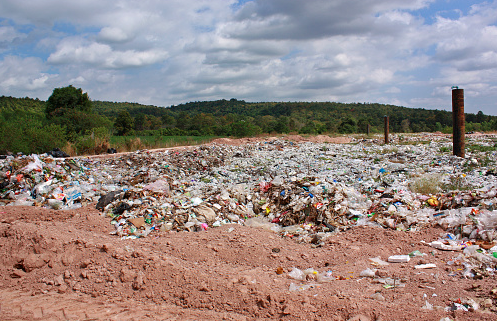
Portugal is stepping up efforts to tackle its growing waste problem with a €2.3 billion (around US$2.67 billion) investment plan through 2030. The urgency is clear: Portugal generated 5.27 million tonnes of municipal waste in 2024, around 517 kilograms per person, and 54% of this waste still ended up in landfills. Waste generation also increased by about 4% compared with 2023, moving in the opposite direction from the country’s goal of stabilising waste production. The new strategy is expected to strengthen recycling, separate collection, biological treatment and other systems that can keep materials out of landfills.
The science of waste management makes the shift particularly important. Organic waste in landfills can produce methane as it decomposes without oxygen, while contaminated liquid known as leachate can pose risks to soil and groundwater if it is not properly managed. Portugal’s selective collection of biowaste accounted for only 12% of the total in 2024, despite separate collection becoming mandatory at the end of 2023. At the same time, the country achieved a 37% preparation-for-reuse and recycling rate in 2024, compared with its 55% target for 2025. Portugal must also reduce landfill disposal to no more than 10% of municipal waste by 2035. The challenge now is not simply to build more landfill capacity, but to prevent waste, recover valuable materials and turn discarded resources back into useful products. More