
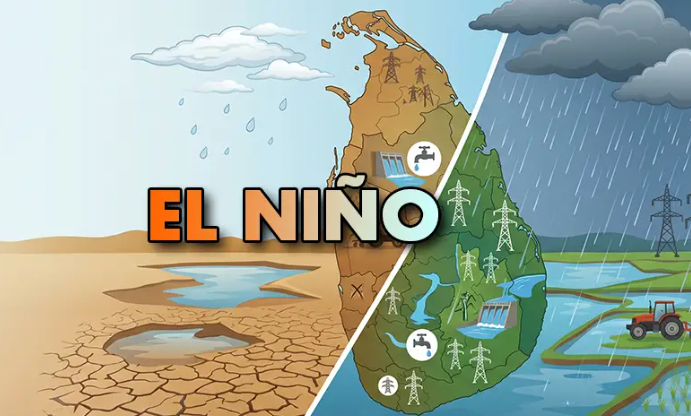
Sri Lanka is facing a worsening drought as El Niño-related weather changes, very high temperatures and a prolonged lack of rain leave communities short of water. In some farming areas, rainfall has fallen 85% to 100% below the long-term average, while reservoirs, rivers and small lakes that normally support agriculture have dropped to only a fraction of their usual levels. Many wells have dried up, forcing families to depend on water brought by government tankers. In some communities, people have reportedly waited up to 23 days for water deliveries, turning access to something as basic as drinking and household water into a daily struggle.
The drought is also taking a heavy toll on farmers and rural incomes. Crops are drying out, livestock are becoming harder to keep and families who depend on agriculture are losing their main source of earnings. Farmers growing crops such as cowpea have reported losing entire harvests, while others are turning to temporary daily-wage work to survive. El Niño is a natural climate pattern caused by unusually warm sea-surface temperatures in the central and eastern Pacific, which can disrupt rainfall across South Asia. But when extreme heat and water shortages occur together, their impact becomes much greater. Sri Lanka’s experience shows that a drought is not only about dry land—it can mean empty wells, lost harvests, falling incomes and growing pressure on families to simply find enough water to get through the day. More