
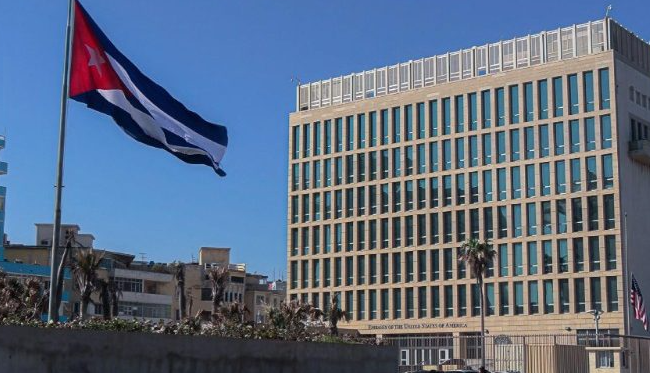
Cuba is facing a serious public health challenge as prolonged power shortages and deteriorating water infrastructure coincide with a rise in intestinal illnesses and diarrhoea across the island. The U.S. Embassy in Havana issued a health alert on September 4, warning residents and travellers about the worsening situation. The problem is closely connected to basic infrastructure: unreliable electricity is affecting water pumping, food refrigeration and temperature control, while interruptions to clean water supplies make sanitation and hygiene more difficult. Cases of illnesses linked to E. coli, norovirus and Shigella have also been reported, increasing concerns about dehydration and the spread of infection.
The crisis has deepened after months of fuel shortages and intensified U.S. economic pressure, which have contributed to widespread and sometimes prolonged blackouts. Cuba relies heavily on fuel to operate its ageing power system, so shortages can quickly affect hospitals, water networks, food distribution and other essential services. UN-appointed experts have warned that the deteriorating conditions are increasing the risk of disease outbreaks and threatening access to health, food, water and development. The situation highlights an important environmental-health connection: when energy and water systems become unstable, the consequences are not limited to electricity—they can move through the entire chain of food safety, sanitation, disease prevention and community health. More